Modern Game, Archaic Attitudes

Modern Game, Archaic Attitudes


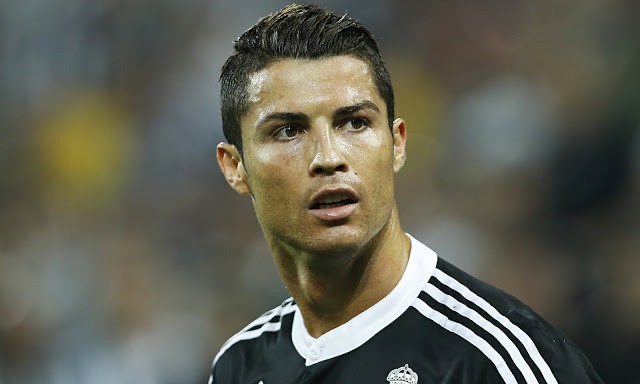
Last week the Daily Mail, a publication not renowned for high class output, once again confirmed its status as a small minded rag, pouring out the worst of society’s views. The target this time was Cristiano Ronaldo of Real Madrid; a man many believe is the greatest player on Earth. The article didn’t centre on any of his on-field activities, instead it speculated what he enjoyed doing in private – with other men.
The Daily Mail wrote: Real Madrid star Cristiano Ronaldo is in a gay relationship with a Moroccan kickboxer, it has been sensationally claimed.
Proving that in the world where low-end papers exist, it’s always the 1970s. It doesn’t matter if Ronaldo is homosexual or not. It shouldn’t be newsworthy.
The real problem is how a paper known for its xenophobia is using the rumour as some sort of slight against the Portuguese player.
It’s indicative of a fault well rooted in football’s primitive attitudes. In a sport that can change with the times when it comes to generating income, it still hasn’t learnt one thing since the days of Justin Fashanu.
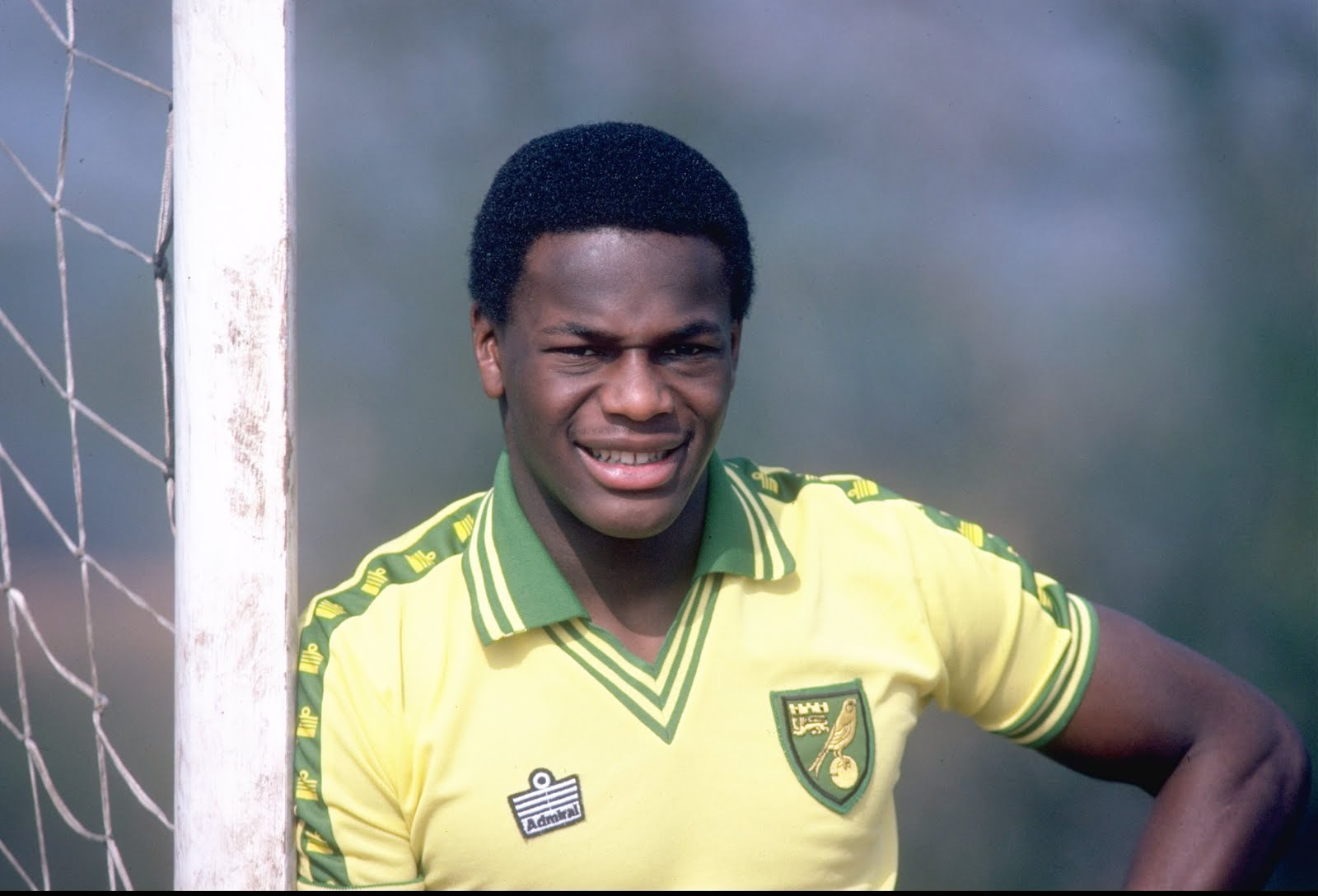
He was the first £1m black footballer and the first professional player to come out as gay in England. The high fee was paid by Brian Clough who took him to Nottingham Forest. The legendary manager admitted in his autobiography one of his biggest regrets was his poor handling of Fashanu.
This came with the benefit of hindsight, coloured by the eventual suicide of the once promising talent. At the time Clough lacked the understanding and knowledge surrounding the issue. Like many back then, he was ignorant when it came to the subject of homosexuality.
Instead of being the father figure he later wished he’d been, when he first found out about Justin’s lifestyle he barred him from training with the first team. Then he hauled Justin into his office and broached the rumour in the manner recalled here, as written in Clough’s autobiography:
“‘Where do you go if you want a loaf of bread?’ I asked him.
‘A baker’s, I suppose.’
‘Where do you go if you want a leg of lamb?’
‘A butcher’s.’
‘So why do you keep going to that bloody poofs’ club?’”
It must have worn Justin down over the years, and by the time he was accused of sexual assault after an incident in America, he feared his colour and sexual orientation would make his case impossible to win.
Watching the many struggles he endured, it’s not hard to understand why only one other player has openly come out since. The fact it was Robbie Rodgers, a free agent at the time and hardly a household name in this country now, proves no top flight players believe it’s worth the risk.
More recently Sol Campbell became the centre of nothing more than gossip. A rumour spread that he left during Arsenal’s halftime interval with West Ham in 2006, a game The Gunners lost 3-2, because his agent had informed him a national newspaper was going to run a story about his sexual preferences.
Pink News printed comments made by Sol Campbell explaining how the racist and homophobic remarks were hard to deal with, he said, “There were moments when it became too much. West Ham at home with Arsenal I couldn’t come out in the second half. It was a chipping effect over the years. I suddenly couldn’t face it.”

The irony is, Campbell is one of the most outspoken players of his generation, had the rumours been true he would have been one of the first to come out and stand tall. But the tabloid press wasn’t going to let the truth get in the way of a story, even if it meant the well-being of a top England international was going to be damaged.
In the end they did run a story, omitting all names, only referencing the person in question as a current Arsenal and England defender. This led to Ashley Cole taking the heat. Something he put to bed when he married Cheryl Tweedy.
It was another example of sexuality being used as a negative. There shouldn’t have been a story to print. It isn’t in the public’s interest and doesn’t affect how a player performs for his club. How it’s used as a shaming tactic is disgusting in this supposedly enlightened age.
It was only a few months ago the Daily Mail (them again) reported that before the start of next season two Premier League players would come out as gay. Once more, an absolute no-news story, reported for the shock and shame value. Of course any player in the closet will expect some chants from rival fans but most of this will be more like pantomime and banter than anything close to hatred. It’s only papers such as the Daily Mailthat try and spread that.
Players should also have zero concerns about teammates making life difficult. They are protected by laws and men in other male dominated sports, such as British-born NBA basketballer John Amaechi, and Welsh Rugby star Gareth Thomas, have had no trouble since coming out.
The Ronaldo article shouldn’t have asked if he was gay, but simply: Who cares what he does in private with a consenting adult.

Fan Friendly Prices

Fan Friendly Prices

We’re poised to embark on another exciting Premier League season. Our clubs are working hard to secure players in the transfer market, at the same time we lay down cash to keep our season tickets. For those that can’t make a season ticket viable, a quick look to the fixture list highlights months where savings are required in order to attend games. Financial Fair Play was all about making sure football was healthy. My disdain for the system has been duly noted before; today I take a glance at the cost for those attending games this season. Unsurprisingly it makes for disappointing reading. FFP hasn’t protected the game’s most important commodity: the fans. Nor has it managed fairness in FFP’s execution.

The Premier League’s latest television deal has been well documented. Dreams that the £5.5 billion would convert to cheaper tickets for fans was always folly. As we are so often reminded, football is big business now. For most it was a way to bridge a gap to the top guns whilst getting closer to FFP conformity. I won’t argue against large TV deals, if the product is worth that price – or more importantly, someone is willingly to part with that amount of cash – then the Premier League clubs should lap it up. I do take umbrage with the idea UEFA is trying to introduce a soft cap on wages by limiting loss and expenditure, but fails to introduce universal limits on tickets and merchandise prices.

This failure from UEFA allows some clubs to penalise fans without ever facing the wrath of FFP restrictions. The grey area of different countries having to pay more to players each month for tax purposes (a player in England is taxed higher than one plying his trade in La Liga, thus, to match his wage a Premier League club has to pay a higher basic) is one area UEFA have failed to address directly. I suppose arguments over tax havens are best left to Starbucks, Amazon, or Jimmy Carr. But a failure to impose sanctions on clubs overinflating ticket prices would be easy to amend.

I’m not naïve enough to suggest a newly promoted club should be charging the same as a regular top four side. Clearly the established top teams are providing a constantly higher standard of product. In tandem with this their facilities exceed expectations. However, should Arsenal be allowed to set their cheapest season ticket at £1,014 when Manchester City manages to offer one at £299? This is the same club that argued City received too much sponsorship money from Etihad, missing the point that a value is only what someone is willingly to pay, then counterargument there is a market for high valued tickets in London. It’s unfair to the loyal fans and makes an uneven playing field. All clubs are punished by the same quotas if they fail FFP but allowed to run wild in other areas.

The disparity between ticket prices is now alarming. Arsenal’s most expensive match day ticket will be £127 this year. That’s just for ninety minutes of football. Crazy. Liverpool also play in the Champions League, are a club with a loyal fan base and extensive support, but they will charge no higher than £75 for a match day ticket this season, £19 being their lowest match day offering. You can argue that if fans of the Gunners are willing to pay it the club should cash in, but that misses the point. Other clubs can generate funds from their resources but aren’t allowed because of FFP. Yet UEFA aren’t stopping clubs from raiding the pockets of the most vulnerable first.

Understandably, it’s two of the newly promoted teams that see the largest percentage increase in ticket prices, as they meet the higher wage demands and chase players better equipped for top flight football. Burnley and QPR see an increase of 37% and 38% respectively on their highest priced season tickets (this takes Burnley’s price to £685; QPR’s to a whooping £949), both their cheapest offerings come in at £499. A tip of the cap to the other new boys, Leicester City. They have only made a 3% increase to the lowest priced season ticket (now £365) and a 2% one to the highest priced (£730). It’s worth noting Hull’s increased prices. For a club that has been very vocal – almost, overly proud – regarding their pricing structure, they have jumped prices by 25%. However, there is only a seventy quid difference between their cheapest and most expensive offering. Nobody is paying more than £572 to watch The Tigers this season.

I paid £675 for my season ticket this year. Would I have liked it cheaper? Of course, wouldn’t we all? But I could afford it, and would rather choose my seat than take the £299 offer. The highest priced at the Etihad this season was £860. Sounds a lot, I suppose, but it is the home of the champions, and a club that has failed FFP, so is clearly on the limit when it comes to breaking even. All clubs can squeeze a bit more. For some, any rise will be a deal breaker, but I dare say the 10% rise seen on City’s highest priced season ticket could have been pushed to 15% and the uptake would have been the same. The club won’t win any awards for keeping prices reasonable but others won’t be chastised for the ludicrously high bars that have been set. Arsenal, who haven’t been champions of England since 2004, sell their highest-priced season ticket at £2,013. A mere 3% rise, showing that prices have been inflated for a long time there.

So clubs are free to inflate and flog the fans all they want. No governing body will step in and protect the working man. What adds a touch of humour to this is how the FFP fines are going to be redistributed among other clubs. To appease teams that have competed domestically with clubs that “cheated” FFP, any fines they incur will be spread out amongst the teams that played in the league during the season in question. So Arsenal is set to receive some money from Manchester City’s FFP fine, topping the coffers that are overflowing from exorbitant ticket prices. No consideration is given to making clubs redistribute this cash to ticket buyers. Nor is the spreading of this cash fair when you consider some clubs – like Liverpool, for example – also would have failed Financial Fair Play last season had they been competing in Europe. UEFA only audited the clubs that competed in the Champions League or Europa League, so not only have some teams dodged a bullet, they’ll get a cash reward from those as guilty as they are.

If UEFA don’t act now the ticket prices will continue to rise. The working class man at top flight games will become a thing of the past. Short of introducing a cap on prices – something impossible to implement without a hard cap on a salaries – then a system should be in place to reduce a percentage of final turnover in FFP workings if ticket prices exceed an agreed market value. If sponsorship deals have to be justified then so should the cash received from fans.

FFP hasn’t protected clubs from themselves; it’s just made them the most dangerous predators to the fans’ wallets.

Less Means More


Before I start, let me make it clear: this article isn’t trying to take any shine off what has been a great season for Liverpool FC. I am only writing it due to an online debate turning, what I see as a fairly simple matter, into a divisive subject. I claimed – no, wait, I pointed it out because it’s factual – that playing less games has helped Liverpool in their title challenge this year. Suddenly people are making stats out of isolated moments and missing the point entirely. So let me explain.

First off, I’ll reiterate, this is a good Liverpool side, and their challenge is no fluke. I’m not saying fringe teams lacking the extra European commitment will break the top four every year. Usually the established teams have the extra funds from playing Champions League football so they can fortify their squads accordingly, thus, keeping a stronghold at the top. But Liverpool has been an emerging force aided by the opening up of spaces above them. When was the last time the reigning champions fell so far away from a title race? That was all the way back when Blackburn defended their crown in the 95/96 season, they finished seventh. Normally the top four alone is a tough nut to crack. Let’s not forget though, that Liverpool are the third highest spenders in Premier League history so they should be there-or-thereabouts every year.

In an earlier blog I mentioned – as it’s been pointed out to try and unravel my own argument – a Chelsea win over PSG would give them a boost in the title run. I stand by that claim, winning is habit forming. To use it against me is an example of people using singular instances to dismiss the whole. At this stage of the season teams are fragile psychologically, one defeat can destroy a run. Indeed, Manuel Pellegrini claimed the Sunderland draw at home was down to the players still thinking about the Liverpool loss. I’m sure if City had turned over Liverpool at Anfield, Sunderland would have faced a side that didn’t feel the fatigue so much, and would have been out for more blood. So yes, in the case of winning helping, either in Europe or a few days earlier in the Premier League, it provides a mental boost. However, over the course of a long season it gets harder to maintain those runs if the squad has played extra matches along the way.

I was also asked to provide evidence showing that when teams playing more games have suffered an impact on their season, and why has a team never challenged for the title before when free of European commitment. That’s pretty simple to answer. Spurs were looking strong 09/10 but failed to make an impact the following year when they were juggling Champions League football. When Liverpool last won the Champions League they were unable to finish in the top four. And pretty much every small squad that gets Europa League football struggles in the following campaign. This year we’ve seen Arsenal start strong, hold top spot for longer than anyone expected, but still fall away when injuries and extra games caught up with them.

To put it in a crude way, if playing extra games had no effect, then a team facing seven matches a week would be at no disadvantage over a team in the title race facing just one. Of course they would. Liverpool have benefitted from having less miles on the clock. If they don’t add significant numbers to the squad over the summer they won’t be challenging for the league next May after playing the extra European games. José Mourinho has even sought permission this week to field a weaker side on Sunday because he’s prioritised the Champions League over the Liverpool clash. There we have explicit proof that playing no games in Europe makes the league easier. It’s a shame that such an exciting, close season, is undermined at the final showdown by José’s stance but it could be a mind-game. Considering how ineffective he’s been with those all season it’d be a long overdue one if it proves to be successful at Anfield.

None of this is designed to undermine Liverpool’s efforts, they have been worthy contenders this year, but there seems to be such a sensitivity toward them at the moment that you can’t even point out valid observations. Every media outlet is in love with them and plastic football fans have been transported back to the Eighties. To say less games hasn’t helped is the same as disputing how great Suarez has been this year. Facts are facts. I look forward to watching them adapt next season with the extra games coming their way.