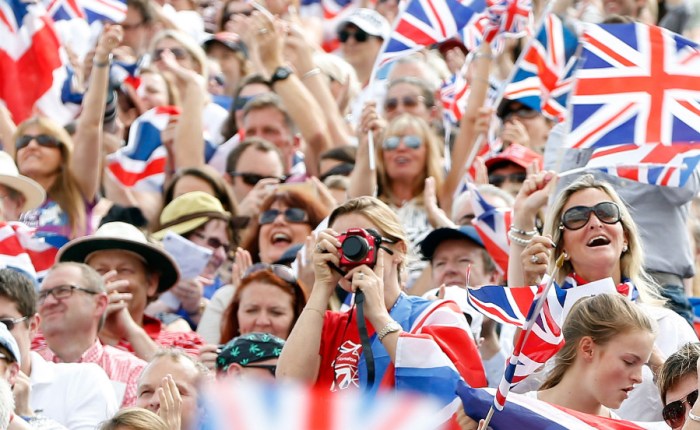
The excitement, euphoria and sense of patriotism which had subsided following Team GB’s success in Rio, will no doubt get a shot in the arm following today’s Olympic parade in Manchester. But enough time has passed since the final medal was placed over an athlete’s head to examine the cost of finishing second in the medal table. Not just the financial implications but the moral bill supporters must front.
The largest element of hypocrisy is the amount of funding Team GB received, yet their supporters have conveniently ignored this. The same people that bemoan the amount of cash in major sports, such as football, F1 and boxing.
When teams win the Premier League (Leicester aside) the usual implication is they bought the title. The winner of the F1 drivers’ championship is labelled as only doing so because he had the fastest car, and that comes from being at one of the richest teams. Normally every sporting achievement has a negative campaign about the finances involved.
Sometimes this is healthy. It highlights inequality surrounding the distribution of wealth within certain competitions. It makes governing bodies accountable and fights the corner of the paying public. Those at grass roots or lower tiers of sports are given a voice, helping raise cash for their survival.
But little has been made of Team Gb’s £275m funding.
Obviously it is important to invest in the future of sport, and the fruits of the cash injection have been clear for all to see during the last two Olympic games. But there is a forced ignorance taking place which means no one is questioning the level of spending or the moral implications.
The Olympics has moved away from the wholesome meet that sees raw athleticism take precedent over large commercial sport. The IOC can be thanked for this. They are the Olympics version of FIFA. Just another “non-profit” organisation that saw the marketing revenue for Rio exceed $9 billion. Television alone accounted for $4.1 billion of the IOC’s revenue.
Money is inextricably linked to top level sport. It is inescapable that if there’s a public interest, large companies will exploit the revenue potential. It would be foolish to believe the Olympics is any different than the NBA, NFL or the Premier League.
Like those global juggernauts, if you want to be successful, you need to spend big. And Team GB was bankrolled as if owned by oil made billionaires. Except the funding came from the tax payer and Lottery money. Most won’t complain about cash being siphoned away for sport but most won’t have examined where it’s gone.
£5.7m for a badminton bronze sounds excessive. If that doesn’t bother you, perhaps £6.9m for the modern pentathlon and its zero medal haul will have you pondering the cost of blind investment. Rowing did bring three gold medals but at a cost of £32m.
Of course, investment always enables better infrastructure but the sense Team GB bought their second place on the medal table permeates the mood when talking to rival nations. That could be sour grapes, but only the sort of comment people here make when discussing other sports. Sports that are self-sustaining and viewed consistently by millions. Despite the £14m investment, how many people will actually watch a gymnastics meet before the next Olympics?
This isn’t sporting legacy, it’s a fleeting fascination that comes around every four years. It was an expensive hit for a short high.
The moral high ground has many spots. As well as bemoaning the money in other sports, people are also quick to pass judgement on other nations when there’s a suspicion of wrong doing. The world revelled and condemned all Russian athletes when evidence of state-sponsored doping came to light.
Without a thorough investigation it was deemed appropriate to label all their athletes guilty until proven innocent. The calls for transparency were loud and clear.
Those calls have become barely audible whispers since Sir Bradley Wiggins’s use of TUEs has been leaked by Russian based hackers. There’s no suggestion he has done anything illegal, but how many people are genuinely comfortable with the notion the rules can be – and have been – bent to enhance the chances of success?
Those involved in the Russian witch-hunt should now be working tirelessly to clear the murky waters surrounding TUEs.
But the games come around every four years and as long as Team GB is successful the hunger to question the processes in place, whether it be funding or medical exemptions, will be virtually non-existent.

 The Reflective Page