Ranieri Reign Makes Case for Manager Rules Review

Ranieri Reign Makes Case for Manager Rules Review

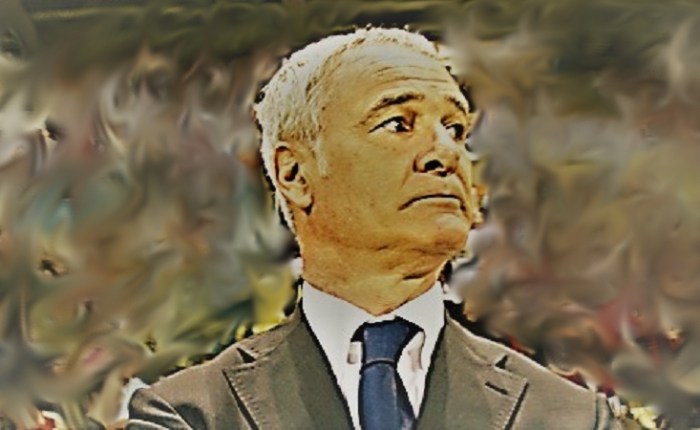
Claudio Ranieri – the man responsible for taking Leicester City to dreamland – was brought crashing back to reality with the ruthless nature of the Premier League once again being displayed by a twitchy chairman. He becomes the fifth top flight manager to leave his post this campaign, and the fourth out of the last five to win the title only to be axed the following season. The time to analyse each individual case on its merits has passed – if Ranieri can be sacked, there is no measure of safety to consider – it’s time to question the staff system as a whole.

Before offering an alternative to the current way of life for football managers, it’s worth noting every club making a change has clear (if cold) reasons for doing so. Swansea believed Bob Bradley was in a sink or swim scenario with his lack of Premier League experience and showed no signs of doing even a doggy paddle.

Mike Phelan on the other hand, had shown signs of improvement at Hull City. His seemed a thankless task: a small squad, no money, an eleventh-hour appointment. Despite the cards being stacked against him, he soldiered on. That aforementioned improvement didn’t translate into the only element club owners care about when faced with relegation: points.

That’s why Crystal Palace replaced Alan Pardew with Sam Allardyce. The former went on long runs without collecting many, the latter almost guarantees survival.

It’s the fear of not surviving that prompted Vichai Srivaddhanaprabha to wield the axe at Leicester. (Yes, the chairman’s name was copy and pasted.)

It’s the players at the King Power who should be taking ownership of a change in their application and work ethic. It’s clear to see their interest levels have only peaked in the Champions League. They used player power, regardless of what Craig Shakespeare says in press conferences, to avoid taking direct responsibility for their attitude and performance.

Ironically, the man favourite to replace Claudio Ranieri – Roberto Mancini – left Manchester City for the same reason.

He lost that dressing room and Manchester City hired a pussy cat. The Foxes have gone the opposite way, fired Mr Nice Guy and hired a disciplinarian. Makes sense when people need whipping into shape but the players who lacked professionalism will rue the day they got a good man fired.

All these managers needed the same thing: Time.

The panic of losing Premier League status, and all its rich financial rewards, has chairman all too eager to press the panic button. The League Managers Association (LMA) have a thankless task. They have no negotiating power in the boardroom and can only transition managers into the job market. The chance of them ever taking a big club to tribunal is on the same scale as it was for Leicester to retain the title and win the Champions League this season.

If the managers and the LMA can’t enable a fairer work place, who can?

Well, it has to come from the top. It would require UEFA to make it law or for the Premier League to take a bold step and make rules for clubs on these shores that would remove the equal playing field they currently enjoy with the rest of Europe.

And while this sounds outlandish at first, it’s worth remembering the Premier League has set out to differentiate itself from its European equivalents. The new branding seen this year, without the need for a sponsor, was an effort to make the Premier League a global symbol like the NFL or NBA.

It’s from those American counterparts they could take inspiration.

Before we get to their methods, there is already a system in place that could afford managers protection: the players’ transfer window. Seen as an awkward disruption nowadays (ask a West Ham fan about Dimitri Payet) and a way for clubs to inflate prices, it does offer one thing to players – a settled block period without the threat of being moved on.

Of course, a club can fire a player by releasing him from his contract, but they see the financial loss as too great to ever do this. Unless the player involved is Joey Barton. This gives players a fighting chance to prove themselves. And when the writing is on the wall, at least they have time to prepare and fashion a deal with their agent for a new club.

The modern day manager goes week-to-week – sometimes day-to-day – with the threat of the chop in the background. If they were afforded the same protection by only being removable during the player transfer window, clubs would have to show the same commitment they gave on day one of the manager’s reign.

Maybe it would only result in the January transfer window becoming a crazy merry-go-round of players and managers, but there’s also a chance clubs would buckle in for the season. Clubs that still felt the need to part ways when relegation loomed would only be able to promote from within, giving backroom staff a chance and some form of continuity.

But maybe the Americans have got it correct. In NFL, coaches are fired on the first day of the regular season. It’s known as Black Monday and several sackings is seen as harsh. A regular debate within NFL is whether firing bosses actually improves results. They still make changes during the regular season but across American sports it’s not as prevalent as it is in football.

So, what if there was no transfer window for managers in football because clubs couldn’t replace a Head Coach with an external appointment at any point in the season?

It would ensure clubs got behind their managers 100%. They’d have to make it work. The time, and undue pressure a lack of it brings, would be afforded to coaches often struggling against resistant waters. Some players don’t like a new ethos or coaching methods and in today’s football world, they know all the power lies with them.

If a chairman had to retain his manager, that power would swing back to where it should be: with the boss.

These ideas are the extreme end of the spectrum but the results they offer would please fans and clubs alike. Currently agents have more influence than the people that work long hours coaching teams and preparing for matches. A safety net and legal assurances for managerial staff would reduce this ugly side-effect of today’s game.

It seems far-flung right now, but everything has a breaking point. If the Premier League carries on its current trajectory, it will buckle under its own weight. The manager sack race is just another indication football is in silly season.

It’s time for calmer heads to prevail, and loyalty and respect to have more bearing than the potential of a few short-term victories to snatch the pound signs flying around.
The Real Fan Problem at Manchester City

The Real Fan Problem at Manchester City

After watching City overcome Monaco in one of the most exciting European nights imaginable, it’d be easy to think the next article will be wax lyrical about Pep Guardiola’s side. Or, perhaps to fit in with the mainstream media, it will take away from the spirit shown and focus on the many faux pas we saw and bemoan two poor defences. It will do none of these things but it will attack a certain element of Manchester City, while defending its most important aspect: The fans.

When Willy Caballero saved from Falcao’s penalty, this writer celebrated like City had won the Champions League, such was the level of tension and passion in the stadium. It was a night where the Etihad took it up a notch. The fans feeding off the team’s fight, the buzz energising the players. The perfect example of the symbiotic relationship that should exist between those in the blue shirts and those in the stands.

If the people that have the direct say in City’s success – the men on the pitch – can see the importance of the fan base, why can’t the people that organise the club’s affairs do the same?

The official line from Manchester City will be that the fans are the number one priority: #Together. It’s great marketing, and on some level, there’ll be people that work for the club who believe it. But constant oversight and a lack of corrective action makes one doubt how genuine the words are at corporate level.

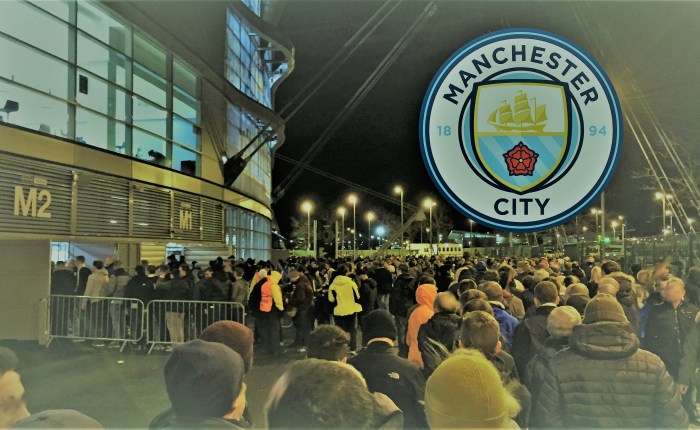
Of course, the example last night, and reason for this article, is the continued problem of gaining entry to Etihad Stadium on match day – especially European nights.

To have it happen once is forgivable, twice is disconcerting but no major issue, for it to happen constantly with no cure in sight is sacrilege.

Just like the Celtic game at home, queues zigzagged around the concourse, patiently waiting in lines that needn’t be there but the club refuse to address. Thousands of fans – that have paid full price for their ticket – are expected to miss up to twenty minutes of the first half. All because of City’s arrogance.

Before we go any further, let’s nip the two favourite retorts in the bud once and for all.

Get to the ground with plenty of time to spare.

Fans shouldn’t have to arrive one hour prior to kick-off to ensure access to their seat.

Increased security measures will cause delays.

The extra searches do not slow down or hinder access to turnstiles. They mean the person(s) being searched are delayed by thirty seconds. The queue moves past them, the turnstile never stops turning.

Another, weakly spoken, response, is fans arriving at the wrong gate cause delays. This does happen, and cup games mean new guests or people in different seats, but it does not equate to thirty minute delays. If there is any argument for ticket issues, it’s staff not directing supporters quick enough when their card or ticket is repeatedly jammed into a turnstile that’s displaying a red light. Patience, in this moment, actually saves time.

No, none of the diatribe aimed back at the fans adds up. A main contributory factor is clear: unnecessary redesigns have purposely limited the volume of traffic at preferred gates.

Take the M2 to M1 situation. Once upon a time – before the club started their final corporate solution of hospitality clubs and glass tunnels – allowed fans in the third tier of the South Stand to use both turnstiles. And the traffic flowed, not a queue in sight.

Fast forward to the present day, a wall has been built meaning those gaining entry via M2 can’t walk across to the stairwell for the upper tier. The preferred upper class customer no longer need worry about the upper tier riff raff sharing their turnstile. They can watch them queue instead.

If there’s one thing we’ve learned from Donald Trump’s comments, it’s that people don’t like walls being built.

The annoying thing about this wall is that it has a lovely set of double doors. The same doors that are opened post-match to speed-up everyone’s exit from the stadium. But, for reasons known only to City – those doors must remain closed until the ref blows his whistle for the last time.

etihad-stadium-the-problem-doorIt’d make no sense to allow the queue to dissipate and direct people once inside. Best to keep lots of people disgruntled, right? And it means staff manning the M2 side get to stand around and avoid work based stress. Excellent for all involved…


etihad-m2-empty-gate

Maybe United fans not being in the Champions League have gotten the last laugh: it gives them a free night to take jobs at the Etihad and help run City’s European nights.

It’s not as if City don’t know how many people to expect or can’t call upon vast experience of running match days. No fan should have to wait thirty minutes to gain entry to a ground. And it keeps happening. Against Everton, as reported here, the staff at the turnstile broke procedure and opened the exit gates to allow fans in. That, obviously, can never be the solution, but by now there should have been one.

Instead City show signs of madness, repeating mistakes, expecting a different outcome, and continue to neglect the working class fan. You can put your mortgage on the fact that if ten corporate visitors were made to queue outside in the cold for twenty minutes into the first half, there’d never be anything that resembles a line of people within a mile radius of Eastlands ever again.

Traditional fans, worried about becoming marginalised, continue to see basic consideration diminish. There’s no suggestion here it comes right from the top – Sheikh Mansour has gone to great pains to maintain inclusion for all City fans, all over the world – it’s the daily heads of office that are guilty of mismanagement, oversight, and a lack of care.

The current entry system (not security checks, the poor use of all turnstile resources) is not fit for purpose. If the people responsible for direction and management of City match days do not use some common sense to remove the current façade, they make themselves as effective as the crippled system they stand by.

Before the decision makers in Abu Dhabi consider further expansion, player acquisitions or ground improvements, they should look at the basic running of Etihad Stadium. There’s a lot of deadwood that needs removing.

Pep’s Pantomime Period (and the theory of absence)

Pep’s Pantomime Period (and the theory of absence)

It’s been the time of year where fixtures came thick and fast and the media got giddy over things that don’t really exist. Oh! No they didn’t! Oh, yes they did. Pantomime season didn’t just play out in theatres around the country with former soap stars and forgotten reality TV faces, it’s been happening in the Premier League. A big win at West Ham should draw a line under it (for now). But the big closing night won’t make all parts of the act disappear.

He’s Behind You

The week leading into the FA Cup tie with West Ham saw intense focus fall upon manager Pep Guardiola. This began with an animated gesture to the Etihad crowd during the Burnley game, followed by frosty post-match interviews, then a series of snippets across various platforms. Some will say it stemmed from the Liverpool result. The gap to Antonio Conte’s Chelsea increasing and Jürgen Klopp himself moving ahead.

But Pep isn’t the sort of manager they will want sneaking up behind them.

There have been many interpretations about the interviews and subsequent comments. The optimistic rival had Pep unhappy and close to retirement. He didn’t think much of the fans and doesn’t even see City as a top four club. The idea City isn’t a member of the “traditional top four” was expanded upon with the opinion of a writer that worked with Pep, harvesting his views, back in a season that saw a Joe Royal led side relegated back to the second tier.

It’s safe to say, even the most passionate Blue wouldn’t have considered City a big gun that year. From an outsider in a faraway land, a side that had recently come up from the third tier probably weren’t on the radar.

But the press isn’t going to let things like, facts or the passage of time, get in the way of servicing the majority of clickbait readers that made their allegiance to United or Liverpool years ago, and find City’s emergence a great inconvenience.

Nor will these readers observe the rules they formerly followed. If Sir Alex Ferguson or José Mourinho took aim at the press and absorbed the flack, it was genius. An example of them playing mind games, deflecting pressure from the players. When Klopp displays an outburst, it is pure passion. When Pep does these things, it signals he is disheartened, that there are underlying troubles, he’s been found out and is losing the plot.

Could it just be he had genuine gripes? Lee Mason delivered a refereeing performance in the Burnley match that was so poor, Guardiola got a taste of what officiating was like in the third tier for City when he made his original remarks about the club’s stature. Far from him not caring, as recently implied, he showed his great frustration. Patience with the players adapting to his methods is one thing, fighting a twelfth man that should be impartial is the final straw.

sagna

Bacary Sagna has been asked to explain his Instagram post to the FA that read: “10 against 12…but still fighting and winning as a team. #together #mancity”

It appears to be a succinct but comprehensive summary of the game. Perhaps the Football Association should just watch the video of the tie back, they’ll be hard pressed not to agree.

What is also worth noting, is how he emphasised the team’s togetherness. Down to ten men, they celebrated huddled at the corner flag in a true show of team spirit. The men on the pitch, at times, look disjointed but it isn’t a signal that they’re divided.

Areas of Absence

kompany

It begs the question, if the commitment is there, what is missing? The easiest answer that fits most problems, is the correct personnel for the roles Pep requires. Ask any City fan what positions need reinforcing, and they’ll mention two full-backs, a centre back, a new holding midfielder, a striker, and worst of all for Pep: a goalkeeper.

These gaping areas of weakness raise a valid problem with the Guardiola approach. If he is the best coach in the world, as City fans were led to believe, why isn’t he able to train the players into these roles? And more importantly, when Pantomime season turns into a continual comedy of errors on the pitch, why doesn’t he instead play to the strengths that are available?

When Pellegrini refused to change, he was labelled (by yours truly) as stubborn and cantankerous. Is Pep any less difficult with his immovable approach? You can imagine him buying a cat and persevering with it until it barked. Or telling Kolarov he is a centre back, or Bravo he is an upgrade on Joe Hart.

Absence Makes the Hart Grow Fonder

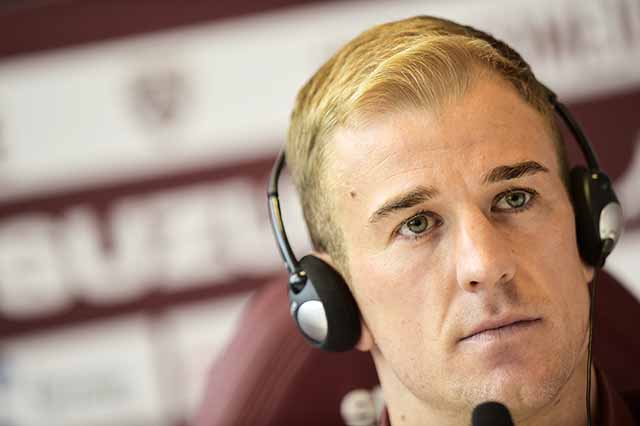
And there it is, the elephant in the dressing room. Guardiola’s first major statement was to jettison Joe Hart. He’d seen enough videos to believe he couldn’t coach him into the player he required. Presumably all the current players that can’t follow his methods slipped detection. He brought in Bravo, who is having a shocker of a season.

The Ghost of Hart is cast over every failed save, misplaced pass, and poor positioning. There’s no suggestion Hart will be brought back, the player himself recently poured cold water on the idea. Pep is too proud to admit he made a mistake with Hart. But he will quietly move Bravo on in the summer if he doesn’t improve between now and May. Until then, each ironic cheer when he makes an easy save will increase in volume as people become evermore passionate for their exiled hero.

When Absence is Good (but bad)

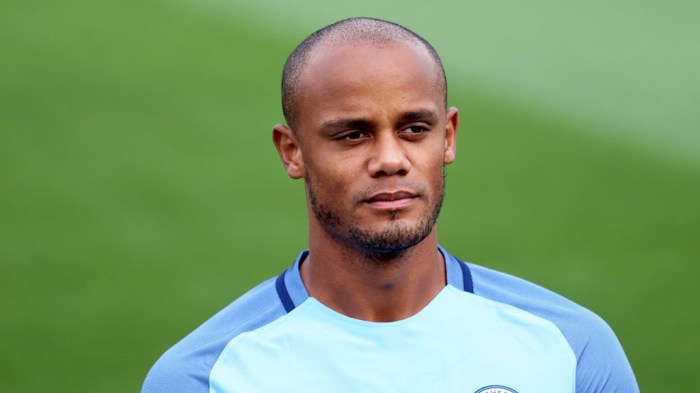
The absence of a solid defence requires no explanation. A myriad of factors will mean it continues for the foreseeable future: the continued absence of Vincent Kompany, aged full-backs, a lack of protection from midfield, Claudio Bravo being Claudio Bravo, and the John Stones training school.

That last one doesn’t mean there’s any doubt about his potential ability. He should become a world class centre back. What shouldn’t be happening, is Stones completing every step of his progression in live action. It’s telling that rare City clean sheets (Watford, Hull City after being substituted early with injury) came without Stones involved.

But like Bravo, Pep will find it hard to backtrack where Stones is involved.

Now or Never for Kelechi was, as expected, met with vitriol online. What was said in that article still stands and has started to come true. Iheanacho didn’t make the most of Agüero’s four game ban – he couldn’t even keep his place in the side. A surprise start against Burnley further highlighted how his development has stunted. With Gabriel Jesus here, the chance to turn the tide is a smaller window now.

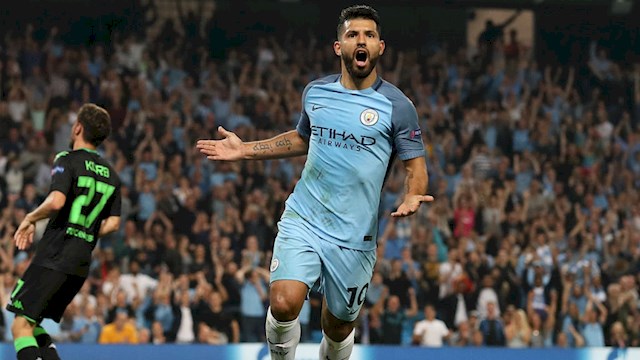
But Sergio Agüero himself is the centre of absence problems. Namely, does Pep want him permanently absent? There’s the continued suggestion he doesn’t fit the style and isn’t part of his plans. But nothing should be read into Kun not starting the Burnley game. That was a good absence. He has a history of injuries when overplayed. A four-game rest means little with only one day off between fixtures. Initially, it wasn’t worth the risk.

Absence of Support

More than once (Empty Seats, Empty Gestures) the fallacy about empty seats has been explained. What is absent at the moment, is a strong atmosphere. Pep understandably demands more from the crowd. But fans and players share a symbiotic relationship. Fans need to see passion to give it back, and vice-versa.

It took until the hour mark at home against Watford for fans to sing, “We’ve got Guardiola” and a hammering of Slaven Bilić’s side in the FA Cup for it return with any gusto.

Absence of the Panto

With an extended rest, Guardiola and his side have a chance to take stock. The coach has indicated he’s perhaps demanded too much, too soon. What he’ll be looking for now is the comedy of errors that have turned pantomime season into a circus to disappear. The focus is now on establishing a top four berth.

Beyond that, anything is still possible. Pep may continue to stress this is all a learning curve but one lesson he doesn’t need is on the unpredictability of the Premier League. Every team will drop points, if City can establish solid form it will lead to success.

Will that translate to trophies in season one of Pep’s reign? It’s hard to say. But an absence of silverware won’t be a concern if several months from now clear progression has been made.

Images: http://www.mancity.com; apart from Joe Hart: http://www.torinofc.it