Fan Friendly Prices

Fan Friendly Prices

We’re poised to embark on another exciting Premier League season. Our clubs are working hard to secure players in the transfer market, at the same time we lay down cash to keep our season tickets. For those that can’t make a season ticket viable, a quick look to the fixture list highlights months where savings are required in order to attend games. Financial Fair Play was all about making sure football was healthy. My disdain for the system has been duly noted before; today I take a glance at the cost for those attending games this season. Unsurprisingly it makes for disappointing reading. FFP hasn’t protected the game’s most important commodity: the fans. Nor has it managed fairness in FFP’s execution.

The Premier League’s latest television deal has been well documented. Dreams that the £5.5 billion would convert to cheaper tickets for fans was always folly. As we are so often reminded, football is big business now. For most it was a way to bridge a gap to the top guns whilst getting closer to FFP conformity. I won’t argue against large TV deals, if the product is worth that price – or more importantly, someone is willingly to part with that amount of cash – then the Premier League clubs should lap it up. I do take umbrage with the idea UEFA is trying to introduce a soft cap on wages by limiting loss and expenditure, but fails to introduce universal limits on tickets and merchandise prices.

This failure from UEFA allows some clubs to penalise fans without ever facing the wrath of FFP restrictions. The grey area of different countries having to pay more to players each month for tax purposes (a player in England is taxed higher than one plying his trade in La Liga, thus, to match his wage a Premier League club has to pay a higher basic) is one area UEFA have failed to address directly. I suppose arguments over tax havens are best left to Starbucks, Amazon, or Jimmy Carr. But a failure to impose sanctions on clubs overinflating ticket prices would be easy to amend.

I’m not naïve enough to suggest a newly promoted club should be charging the same as a regular top four side. Clearly the established top teams are providing a constantly higher standard of product. In tandem with this their facilities exceed expectations. However, should Arsenal be allowed to set their cheapest season ticket at £1,014 when Manchester City manages to offer one at £299? This is the same club that argued City received too much sponsorship money from Etihad, missing the point that a value is only what someone is willingly to pay, then counterargument there is a market for high valued tickets in London. It’s unfair to the loyal fans and makes an uneven playing field. All clubs are punished by the same quotas if they fail FFP but allowed to run wild in other areas.

The disparity between ticket prices is now alarming. Arsenal’s most expensive match day ticket will be £127 this year. That’s just for ninety minutes of football. Crazy. Liverpool also play in the Champions League, are a club with a loyal fan base and extensive support, but they will charge no higher than £75 for a match day ticket this season, £19 being their lowest match day offering. You can argue that if fans of the Gunners are willing to pay it the club should cash in, but that misses the point. Other clubs can generate funds from their resources but aren’t allowed because of FFP. Yet UEFA aren’t stopping clubs from raiding the pockets of the most vulnerable first.

Understandably, it’s two of the newly promoted teams that see the largest percentage increase in ticket prices, as they meet the higher wage demands and chase players better equipped for top flight football. Burnley and QPR see an increase of 37% and 38% respectively on their highest priced season tickets (this takes Burnley’s price to £685; QPR’s to a whooping £949), both their cheapest offerings come in at £499. A tip of the cap to the other new boys, Leicester City. They have only made a 3% increase to the lowest priced season ticket (now £365) and a 2% one to the highest priced (£730). It’s worth noting Hull’s increased prices. For a club that has been very vocal – almost, overly proud – regarding their pricing structure, they have jumped prices by 25%. However, there is only a seventy quid difference between their cheapest and most expensive offering. Nobody is paying more than £572 to watch The Tigers this season.

I paid £675 for my season ticket this year. Would I have liked it cheaper? Of course, wouldn’t we all? But I could afford it, and would rather choose my seat than take the £299 offer. The highest priced at the Etihad this season was £860. Sounds a lot, I suppose, but it is the home of the champions, and a club that has failed FFP, so is clearly on the limit when it comes to breaking even. All clubs can squeeze a bit more. For some, any rise will be a deal breaker, but I dare say the 10% rise seen on City’s highest priced season ticket could have been pushed to 15% and the uptake would have been the same. The club won’t win any awards for keeping prices reasonable but others won’t be chastised for the ludicrously high bars that have been set. Arsenal, who haven’t been champions of England since 2004, sell their highest-priced season ticket at £2,013. A mere 3% rise, showing that prices have been inflated for a long time there.

So clubs are free to inflate and flog the fans all they want. No governing body will step in and protect the working man. What adds a touch of humour to this is how the FFP fines are going to be redistributed among other clubs. To appease teams that have competed domestically with clubs that “cheated” FFP, any fines they incur will be spread out amongst the teams that played in the league during the season in question. So Arsenal is set to receive some money from Manchester City’s FFP fine, topping the coffers that are overflowing from exorbitant ticket prices. No consideration is given to making clubs redistribute this cash to ticket buyers. Nor is the spreading of this cash fair when you consider some clubs – like Liverpool, for example – also would have failed Financial Fair Play last season had they been competing in Europe. UEFA only audited the clubs that competed in the Champions League or Europa League, so not only have some teams dodged a bullet, they’ll get a cash reward from those as guilty as they are.

If UEFA don’t act now the ticket prices will continue to rise. The working class man at top flight games will become a thing of the past. Short of introducing a cap on prices – something impossible to implement without a hard cap on a salaries – then a system should be in place to reduce a percentage of final turnover in FFP workings if ticket prices exceed an agreed market value. If sponsorship deals have to be justified then so should the cash received from fans.

FFP hasn’t protected clubs from themselves; it’s just made them the most dangerous predators to the fans’ wallets.
The Grinch That Stole Football

The Grinch That Stole Football

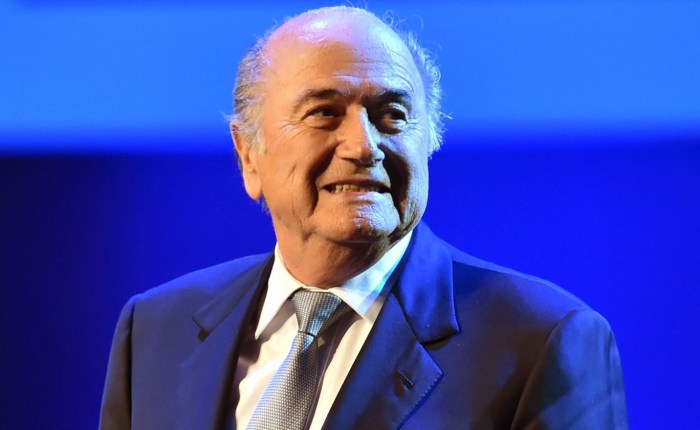
I feel quite the misery guts writing this article at the start of what should be football’s fun season. For the next month fans of the beautiful game can wake up to that Christmas Day morning feeling every day. Savouring every kick from the sixty-four matches on offer. We won’t be able to watch them all, but we’ll try our damndest. But just like Christmas, it seems there has to be a time when the gloss and mystique falls away, where we remember it with nostalgia but see it for what it really is. In football we never had a moment where we realised Santa wasn’t real (he is, if there’s any children reading this) but we do have our own version of The Grinch. Joseph Blatter or Sepp. Quite fitting a nickname for a man that has become a septic shock to the world of football. Allowing greed and corruption to infect the once healthy body. The only time he isn’t lying is when he’s being absurd. He’s The Grinch that stole our game.

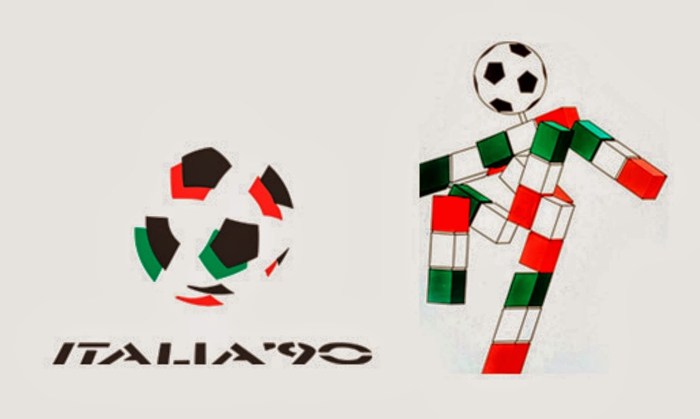
When I try to recall the first World Cup I can clearly remember, Italia 90 wins. There are moments of Mexico 86 that I have recollections of but they are hazy and contain only fleeting glimpses of games. The big picture, sense of tournament, the prestige, all came four years later. It was the World Cup in Italy I first lapped up. Each new record or minor pinnacle felt momentous. Watching Cameroon emerge, for example, was like a Hollywood movie. The whole tournament had that sense of grandeur, like I was watching the best – and ultimately for us England fans, painful – script ever. “Nessun Dorma” provided a great soundtrack and we even had a breakout star, a former unknown, with a cute name: Toto Schillaci. Okay, the final wasn’t great but we’d been served a classic tournament.

Italia90

Italia 90 will be remembered as a great World Cup because it was all about the football. Fast forward to Brazil 2014, or FIFA World Cup 2014 in Brazil as the governing body would like to have it, and all that sense of something special I felt back in 1990 has gone. Even just using “Italia” instead of Italy, as it would be packaged now, added to a one-off spectacle. Back then it wasn’t about FIFA, it was for football. You could argue I viewed my first “proper” World Cup with rose tinted glasses. Maybe? But I’m not so sure children today are watching events in South America with that same sense of excitement. Leading into the tournament the talk has all been about unfinished stadiums, riots, corruption, Sepp Blatter.

The opening ceremony was a chance to put the negatives behind us and – with no rose tinted glasses available – take off the reality specs for a short while. I really tried. There was nothing more I wanted when I settled down to watch the opening of the cup last night than to be absorbed by Brazil. I wanted them to surprise and shock me. Deliver a taste of their culture. Make my already high levels of anticipation burst. Instead I was given what looked like a failed school project mess around for twenty minutes before J-Lo and a man named “Pitbull” (whom could well be Right Said Fred trying to escape extradition like “Buster” Phil Collins before him) sing into microphones that hadn’t been correctly connected to speakers.

I hate to mention money because it’s the root of the problems within the game but it’s hard to see where $9 million dollars went for that ceremony. London 2012 showed us that it is possible to do a ceremony on a budget (£27 million spread across all four ceremonies associated with both Olympic and Paralympic games, each longer than the thirty minutes Brazil managed). In Qatar! What About Brazil? I discussed that money has disappeared and been wasted during World Cup preparation. Last night you saw with your own eyes how $9 million could disappear on a yellow ground sheet, a swirly ball from nineties Ibiza, and a few school art classes. It’s easy to see how $11.4 billion – yes, billion – has been seen as a waste to the Brazilian public.

For the youthful eye we did have a decent first match but even that has been the topic of controversy this morning. The ref awarded Brazil a weak penalty and many believe Croatia denied a fair goal. The last thing the organisers needed was any black marks against the first match. They need Brazil to perform well to win over a disgruntled public. They have a long way to go. Clashes and riots continued after the game. The ITV studio even got pelted, although to place that in some sort of context, they had subjected the airwaves to ninety minutes of Andy Townsend and Clive Tyldesley – so probably deserved. The ITV coverage sandwiched the match between clips of riots followed by reports of more riots. Nostalgia or not for Italia 90, times have changed. The game has changed.

Olympic rings

Where did it all go wrong then? It’s when FIFA stopped acting as a benevolent protector of the sport and became interested in greed, power and money. If one thinks of the Olympics they’ll recognise how they try to put sport front and centre. After that they express a real desire to carry the momentum of the games forward to the next generation in the form of its legacy. Unity and respect binds these ideals. I’m not saying the International Olympic Committee (IOC) is perfect but the biggest scandal to emerge from an Olympic games is an athlete failing a drugs test. In the build-up they do have the pressures and negative reports about areas struggling to be completed in time, but on the ground, in the countries where it happens, they are all pulling in the same direction to get the job done. The long list of Summer Olympic controversies is invariably made up of sporting disputes. Rarely – if ever – do you consider the IOC as an evil big business.

For football it’s a different story. Commercialism, capitalism, cash – they’re FIFA motifs. And dictatorships. The on-field errors teams accept, the game moves on. The main controversies surrounding the sport come from the exterior. Corruption claims that grow, appearing more substantial by the day, are dealt with nonchalantly by Sepp Blatter. His latest remark, met with many groans, was saying the British press were racist for calling the Qatar bid into question. I can only assume Ali G is one of his advisors. To make such an unsubstantiated statement shows how far removed from reality he is.

He is fair and gives everyone a chance to see his senility. In another moment of magic he spoke about how the World Cup would one day be played on other planets. That it’d become an Intergalactic Cup. You’d have to fear coming up against the Klingons in this scenario, a big, tough, industrious team. But they’d all bear a resemblance to Joleon Lescott so would leak the odd silly goal. Remember this is the same obtuse man that remarked women’s football should be played in tighter clothes to attract male viewers. So a jump to Galaxy Football isn’t that far a stretch in his head.

Maybe one day there will be calls for a unified World Cup but it’ll have nothing to do with little green men on Mars. It could well be after nations and confederations divide, creating multiple world champions playing in separate tournaments. Boxing is in my holy trinity of sports (I must be attracted to ones embroiled in corruption claims) and in the 1960s saw multiple Heavyweight Champions when the separate WBA and WBC belts came into operation. Since then the situation has snowballed, there are now handfuls of belts and several different bodies seen as legitimate. But the fan always knows who the true champion is. Mayweather could sell PPVs as the best in the world without a title and no one would argue. At the end of his career Lennox Lewis could have fought for chocolate buttons and every heavyweight in the world would have dreamt of having them over gold.

We wouldn’t ever want the World Cup to be undervalued this way. It should always remain an undisputed focal point. It is okay to have the debate that the Champions League has a better standard than international football nowadays, maybe in that sense the World Cup isn’t the hardest to win. But it remains the most prestigious. To see it undermined by having multiple international World Trophies would be a great shame. But people have breaking points. Sponsors are calling for corruption claims to be taken seriously and the man on the street doesn’t trust FIFA anymore. Sepp currently has the backing from the majority of confederations. But these poorer areas have been directly served by his wealth. He has bought their voice. He has no support within UEFA, though. An area of the world that demands transparency and doesn’t require handouts to operate.

We’re being sold a product that’s no longer legit. The man selling it publically lies – even on the issue about standing down after his current term. FIFA are supposed to be non-profit, like the IOC. Instead they swallow up dirty money faster than they lose creditability. Someone needs to take a stand. There is a sign that within the seemingly tight stranglehold of FIFA’s overbearing rules flex and manoeuvre exists. Take for example straight red cards. Under Blatter’s Law they – regardless of TV replays – should be adhered to with immediate suspension by the governing FA, without a chance of recourse. He wants his little SS officers on the pitch to be the first and final say. The English Premier League ignores this order from the Fuehrer. Allowing straight reds (but not two yellows) to receive an appeal. FIFA have never intervened.

Perhaps the threat of an additional tournament played outside of FIFA’s jurisdiction would be enough to bring sense back to the table. Or even a breakaway club cup in the summer. The unfairly treated, FFP-punished oil-rich teams could let Qatar have a warm up competition. Played under the guise of a friendly but offering a healthy boost to club coffers. It may take this sort of action to show Sepp Blatter and his cronies they can’t keep playing with our sport for political gain. The fear is we end up with Michel Platini as a direct replacement. But if enough people collectively stop dancing to the beat of FIFA’s drum there’s a chance a healthy alternative will appear.

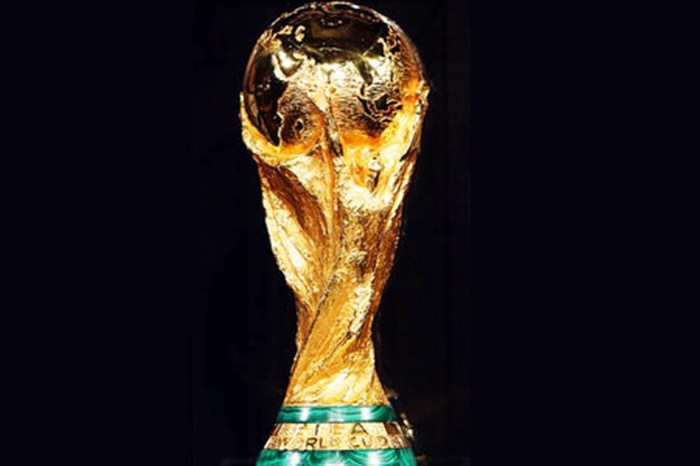
World Cup

Until then I’m going to enjoy the sixty-four games, focusing my attention to just the matches. The Grinch may have stolen the innocence of game. FIFA may have lost credibility. But he’ll never take away twenty-two men on the pitch.

Enjoy the World Cup.

Not Fair, Just A Financial Play

Not Fair, Just A Financial Play

It seems we are entering the final phases in the implementation and take up of Financial Fair Play. All the fear mongering, ignorance and general debate is slowly being replaced by the certainties that UEFA has presented as we move forward. In the past I have made no secret of my opposition to Financial Fair Play, and this hasn’t changed, if anything it’s hardened as my fears have become facts. FFP doesn’t have the best interests of the sport as a whole at heart; it is self-serving, hypocritical and greedy. Before the first set of major sanctions are placed on teams let’s analyse what it means.

Not to go over old ground or opinions but there is a loud chorus developing that Financial Fair Play is good because it stops “Cheats” or people buying the league, something I have always laughed at. Except, it’s now no laughing matter. We have Wenger coming out claiming Manchester City should be banned from Europe, and rival fans claiming a club shouldn’t be able to spend in excess to find success. All these people are speaking from their Ivory towers or behind jealous faces. It’s easy to say a club should only spend its turnover when you’ve already established a high one over a long period of time. One that was invariably acquired due to success, which – more often than not – required investment in the first place. These types don’t want the apple cart upset, they fear new teams emerging.

You’ll never hear the pro-FFP bunch mention the protection of the smaller teams, how Financial Fair Play protects clubs from financial mismanagement – the very reason the system is supposed to exist in the first place. And if such a system – with those solitary goals – did exist, I’d throw my full support behind it. But they never mention this side of FFP because the little clubs, whether there or not, pose no threat to their success. A club managed with a wealthy owner that is willing to pay out of his own pocket and write-off any debt, is good for that club’s growth, and in the long run will generate a higher turnover. Manchester City is the extreme example of this but take a League Two club, give them a generous chairman and over time they would develop.

The Football League has the Benefactor Model for this very reason. It allows clubs to clear losses if the owner absorbs them, thus progress financially and grow without restraint. It acknowledges these clubs don’t need protecting from all wealthy owners, it’s the maverick ones that play Russian Roulette with cash they don’t really have that pose a problem. There’s no reason UEFA couldn’t adopt the Benefactor Model if all it cares about is the health of football’s finances. If that was their sole intention they’d worry less about imposing sanctions on clubs like Manchester City and start to question how giants like Manchester United can be bought and run on debts.

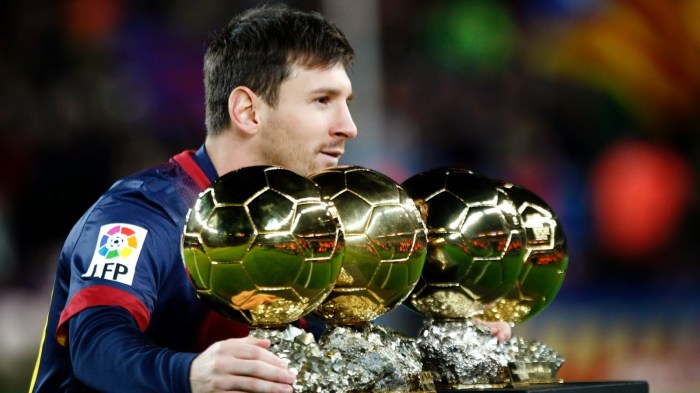
Messi

Financial Fair Play experts will claim one reason UEFA are focusing on clubs like Manchester City is to prevent an escalation in wages. This is folly. It still is – and will always be – the established teams that set the upper limit on wages, dictated by the best players in the world and their agents. When teams like City and PSG are in periods of accelerated growth they don’t raise the ceiling on wages, they just increase the number of players earning the top dollar. In England it was Manchester United that went to £300,000 a week for Rooney; overseas I’m confident Ronaldo at Madrid and Messi at Barcelona got their mammoth wages because of their market value, not because oil tycoons were ploughing money into clubs elsewhere.

So what are we left with if FFP isn’t protecting the little clubs or preventing the market becoming damaged for the larger ones? Greed. The jealous or ignorant types will claim Manchester City is greedy, that they are the evil doers, when if they stopped to look at how the money has been spent and the goodness that has come from it, they’d realise Sheikh Mansour is an angel – Platini and UEFA are the devils. The infrastructure at City has been taken to the next level and the community is thriving, and City will become a market leader on the pitch, and off it, financially. Punishing this isn’t protecting football, it’s UEFA trying to maintain the status quo with the favoured big clubs and introducing a rich tax to line their own pockets. It’s worth noting the Premier League say Manchester City comply with their FFP rules.

It’s laughable that if FFP is about sending a clear message that money in football needs to be healthier, one of the punishments both PSG and Manchester City face is a hefty fine (reports from £29M to £50M). So they worry clubs are leaking money, but to make sure they stop they want them to leak a bit more their way first. An oil tax. And supposedly this fine will be on the accounting books, further restricting expenditure over the following reporting period. Also they face restrictions on squad size and wages for the Champions League, making it harder to compete with UEFA’s chosen children.

For a long time City fans in pubs have been saying the first time a restriction prevents a player appearing in the Champions League it’ll be the players – not the clubs – that take UEFA to court for restriction of trade. It seemed a fairly reasonable argument, that there was a case for loss of earnings. UEFA have engineered a situation where this could never be levelled at them. They aren’t removing the clubs from European competition. It would be the clubs themselves that didn’t place them in the Champions League squad. Yes, it may be due to the sanctions UEFA have placed on the club, but not a restriction.

The only murky area for UEFA – and glimmer of hope for the type of lawyers usually found with a match day pint – is the absolute definition of sporting regulations. If UEFA and FIFA suddenly changed or removed the off-side rule, teams would comply, it’d be in the sporting rules, same for two goalkeepers per team, everyone dressed in clown suits – whatever they fancy, if it became sporting code it would be followed. But the rich fuelled sport of Formula One tried to implement an expenditure limit in its sporting regulations and to this day it is unresolved with no official cap set down. Because sport is also business and in business it’s far from “Fair” to tell companies how much they are allowed spend as they try to increase their standing within the industry.

As a consumer we also do not accept services that diminish. If your broadband provider, insurance company, car manufacturer, any product you subscribe to, started to fall behind the industry standard you wouldn’t accept that the CEO wanted to place his own funds in to revive the company but was bound by red tape. And as sports fans we dream and hope our team one day can become the best in the land. If Financial Fair Play isn’t challenged at this final hurdle they’ll be no more new teams having their day in the sun. It will all become stale, stagnant; hope for some will be replaced with acquiescence. That’s not fair – it’s cruel.