The Trouble with Touré

The Trouble with Touré

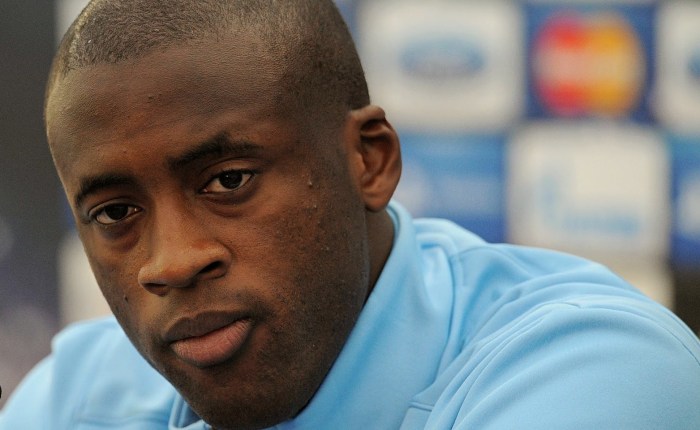
Certain things can’t be denied when it come to Yaya Touré. His talent is unquestionable. Last season he drove Manchester City to a league and cup double, scoring 24 goals in all competitions from midfield. He is also controversial and divides the opinion of loyal supporters. From missed birthday cakes to protracted transfers, he appears in the media for the wrong reasons, when it’d be more fitting if he was revered in the same way players like Messi and Ronaldo are. Or is this a stretch too far?

Before we go any further, I should make my personal thoughts regarding a few things Yaya clear. In spite of his performance last season, I would have happily seen him sold in the summer. A number of factors played into this. The obvious one was the way he allowed his agent to act unprofessionally and disrespectfully toward the club. It seems obvious they were either haggling for an improved contract or were seeing if they could manufacture a move away. He’d just had the season of his life so they assumed Yaya’s stocks were high, that they should cash in.

Of course, they didn’t get a move, and City held firm. These initial actions undid all of Yaya’s work gaining loyalty from the fans. I have no problem with players wanting to move on. As Sami Nasri noted when he left Arsenal, he wasn’t a fan, it’s just his career. I get that. I don’t expect everyone that pulls on the blue shirt to be a City fan. This doesn’t mean they can act in manner that wouldn’t be acceptable in another line of work. Yaya was unprofessional. This combined with the high wage, the fact he’s already 31, meant it wouldn’t have been a terrible move to balance the books the same summer we faced FFP fines and restrictions, by offloading a player that had stepped out of line.

The standard response here is to argue he is irreplaceable. Well, no man on the planet is irreplaceable. I’m not suggesting there is a like-for-like player out there. City would have needed to change the way the team plays. Formed a Plan B and C. Given the one dimensional tactics we adopt in the Champions League, this wouldn’t have been such a bad thing. Mentioning the Champions League, it is worth noting that Frank Lampard, the 36-year-old, warming-up for his American vacation, looked a level above regular City midfielders the night we played Roma. The only one comfortable at that level. So perhaps we shouldn’t place Yaya on that pedestal just yet.

Which brings us to the main niggle I hear at the ground, in the pub afterwards, and in groups and forums: The idea Yaya can’t be dropped/should be dropped. Some argue his moments of magic, which appear from nowhere and clinch big games, allow him to drift rather than put a shift in. That he looks laboured when he’s not. Others argue that no player should be guaranteed a place if their form continues to dip. I sit more on the fence with this one. At some point any player, regardless of stature or former contributions, should face the axe if they fail to deliver. For me, at this moment in time, Yaya is still one of the first names on the team sheet. The recent Aston Villa game is a good example of why he’s a worthwhile passenger to have along for the ride.

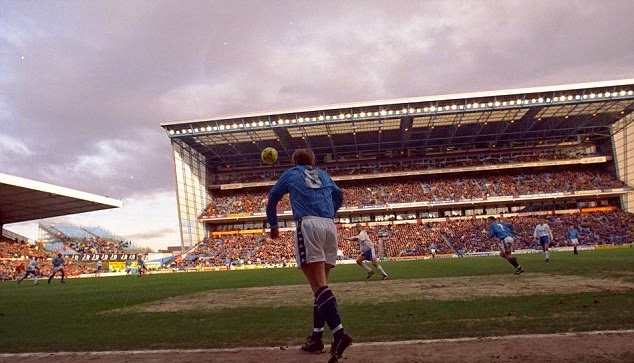
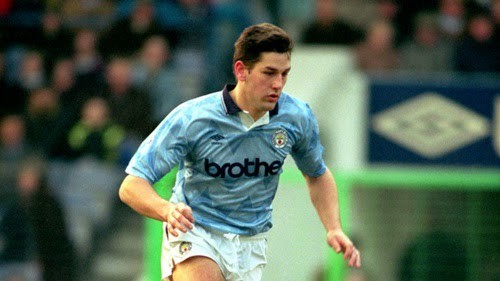
The idea of who your favourite player is should lend an idea to the damage Yaya has inflicted on his own legacy with the club. David White is my personal favourite. I know he’s not the best footballer I’ve seen play for the Citizens. But watching him burst off at pace, smash shots on goal, was like watching a superhero when I was younger. I know nostalgia plays its part there. It still breaks my heart, that Niall Quinn made the club’s Hall of Fame, and White didn’t.
MCFC White

As for the best player I’ve seen, the most talented, it has to be from the current crop. I think Sergio is a true world class talent, belonging in the upper echelons of the world elite. David Silva also rates highly; if he added more goals to his game it’d be hard to dismiss him. Yaya Touré should be above both of these though, in terms of contribution and evident talent. Yet, how many City fans would have him as their number one now?
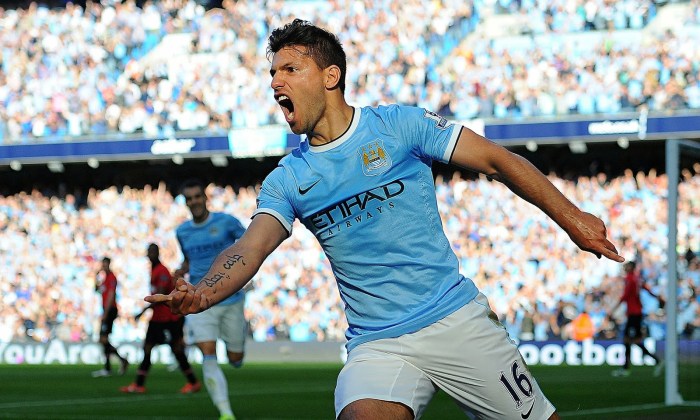
There’s still time for the fans that criticise him to warm once again. The tarnished summer can be painted over with the gloss of further success. I don’t subscribe to the idea any dip in form is a loss of interest. Reneging on the agreement he wouldn’t attend the 2015 African Cup of Nations could be seen as a further effort to appear inflammatory, I suspect it’s just a change of heart. Also, the loss of his brother will be weighing heavy on him and affecting his actions. Such an experience often requires years of recovery.

Yaya hasn’t been given the recognition by external awarding bodies. Last season he was cruelly overlooked. It’s easy to see why that could breed a feeling of being unloved. It doesn’t excuse his actions over the summer, but as fans we should wipe the slate clean. If the professional critics fail to give him his dues, the best we can do is start sending back positive vibes from the stands.
Empty Seats, Empty Gestures

Empty Seats, Empty Gestures

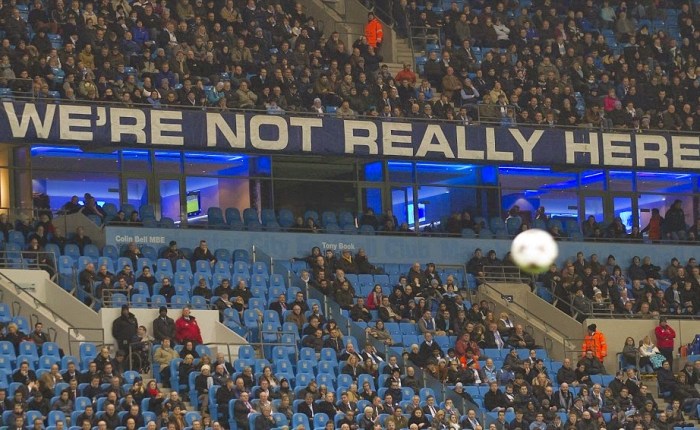
Much has been made in the aftermath of Roma’s visit to Manchester City about the number of empty seats at the Etihad Stadium. Lead by former Manchester United players, Ferdinand and Scholes, the atmosphere – or lack thereof – and City’s passion for European competition has been called to question. It’s easy to lead a charge of criticism, fuelled by sour grapes, when you conveniently ignore the overriding factors. The loyalty of City’s masses should not be doubted, the course of the modern game should.

First off the bat, I’m not here to make excuses for the poor attendance at the Etihad last night. It was disappointing. Normally when I write these articles I try (but probably fail sometimes) to keep my blue side suppressed and present an opinion based on the good of the game. Today, my opinion will understandably sound like it is coloured blue, the defence of the crowd last night has widespread issues serving as an undercurrent.

It’s all too easy to cast judgement over the lack of support and paint a picture that Manchester City fans care less or lack the passion of rival teams. It almost seems that the way to chip away at City’s rise to the top is to question if the people at the heart of the club – the fans – deserve to be there. I didn’t hear what the United old boys said last night, I was at the game and don’t record substandard broadcasts to watch when I get back from the ground. But I get the gist of it. From what I have read today, Scholes questioned why fans weren’t in the ground early. Well, we have City Square which provides entertainment before kickoff within our stadium complex. I’ll forgive him this oversight because there wasn’t room for such a thing when he worked at his outpost in Trafford Borough.

City Square

The low attendance has obviously been jumped on from all quarters. To tie this to the passion or dedication of City fans is absurd. I am fortunate enough to be able to afford a ticket to all home games in every competition. This doesn’t make me a better fan than a father of four on the minimum wage, struggling to make ends meet, who decides £35 for a ticket was a stretch too far when he could watch it for free on television. Remember, this is a club that kept its support in the third tier of English football, with an average attendance back then of 28,780.

Pollock

There is clearly a loyal core. City is new to the game of attracting global fans, new to the Champions League. With this is mind, they should be incomparable to Liverpool and United, yet, last night the clubs were slotted side-by-side to further demonstrate the low turnout. Years of worldwide exposure will gain any club the tourist fans, the glory seekers, the more fickle fans. In heavy numbers these fill empty seats. If City stay in the upper echelons of European football for the next decade these fans will migrate to the Etihad. That’s why the stadium is undergoing expansion – it is future proofing.

Scholes must also have a short-term memory. It wasn’t that long ago Manchester United only managed to fill 47,000 seats for a Champions League game against Cluj. Were the United fans not taking the competition seriously that year? The difference being, United sold a full allocation but fans still failed to travel. This brings us to another factor: United force season ticket holders to commit to Champions League games, City have a separate cup scheme.

This brings us to the main problem with the modern game. Cost. I have spoken out against FFP for a long time, and yet again I get the opportunity to here. Not that I take pleasure in doing so because this time it’s not to highlight how UEFA are attempting to protect the established big clubs. Unfortunately this anti-FFP observation is how the by-product of the unjust system affects the fans. Clubs are attempting to break even, the way they are accomplishing this is higher ticket and merchandise prices. Those empty seats at the Etihad were physical reminders that FFP is bad for the game on many levels.

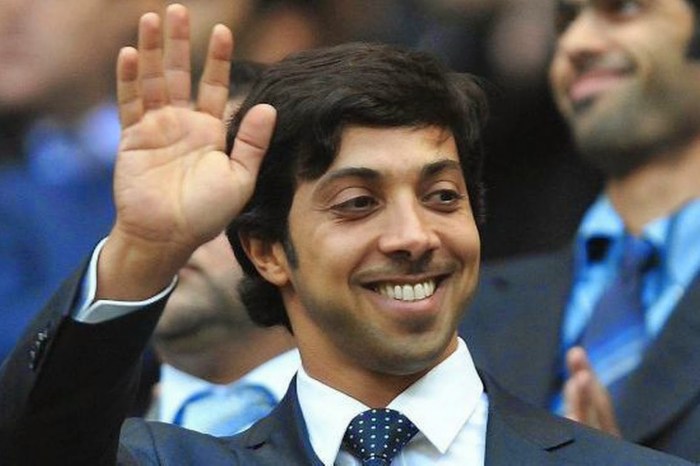
Manchester City is the perfect club to place this issue in the spotlight. Unlike some teams, they aren’t run by debts or loans. Sheikh Mansour can pay for all wages and transfers upfront. FFP isn’t protecting a club like City from ‘doing a Leeds.’ FFP wouldn’t have even protected Leeds, they would have complied. It protects the European giants from being caught. But let’s say for a minute UEFA were genuinely worried solely about the rising costs within the game, if so, FFP was a weak attempt at a soft wage cap. They must have hoped clubs would, over time, lower wages to comply with the break-even rule. This hasn’t happened.

Since FFP’s introduction wages have continued to soar. Manchester United isn’t even playing in the Champions League and offer weekly wages in excess of £300,000. This leaves UEFA – if their intentions are genuine – with a few remaining options. The first would be to introduce a hard wage cap that all clubs across Europe adhere to. Observations would have to be made for certain areas (I.E. Teams in London can have a slightly higher one to counter the cost of living; Monaco, or teams in lower taxed countries like Spain, offer less so players can only take home the same amount after tax). Tied into this would be a new law on ticket prices. Just as clubs can’t offer high wages, they’d no longer be able justify high ticket prices.

The next would be to copy Baseball’s Rich Tax. I discussed this in the past (Financial Fair Prejudice) so won’t labour the point, but a similar method could be adopted in football. Instead of a set budget like baseball, we keep the break-even method, but when a team exceeds it they pay a tax as punishment on every penny over the limit. Rich clubs that have no debts could still operate safely. It would act as a deterrent rather than a way to stunt growth. Again, if a team is paying the rich tax it has no excuse for high ticket prices, the fans should be put first in the UEFA directive that would monitor the rich tax. In baseball the tax also increases for every cumulative year spent over the budget marker (or break-even in football’s case).

Mansour

The final way to help fans would be the most direct and charitable method. As mentioned, Sheikh Mansour doesn’t need a dime from the City fans. He could comfortably pay for everything without needing to worry about his accountant. He has to charge the fans more to comply with Financial ‘Fair’ Play. His fines disappear to other European clubs who are also charging fans high prices to break-even. There should be flex in the break-even for ticket prices. Just as things like stadium expansion and youth development are left off the books for FFP purposes, there should also be an allowance to wipe losses when a club voluntarily charges less for tickets. City could sell tickets for £10, making it affordable again for the working class man, and sparing UEFA the blushes of empty stadia. If a generous owner can afford to invest at a loss, then is there a better way to do? Rather than higher wages to line the pockets of millionaire footballers, they could help make ends meet for the loyal masses.

It should be noted that in Germany they do offer cheaper tickets. It seems that here, the trend is to take from every source and ignore the fans. We have a product that commands high revenues but isn’t sustainable. Greed is dictating the game. Sky and BT fought and paid higher revenues for TV deals than ever seen before. The main reason was to wrestle control of the UK broadband market. However, I have been quoted as saying before: The value of something is only what someone is willing to pay. Whatever the motive, the price for TV deals has once again been set high. Perhaps UEFA, because we know they like to dictate, should place a rich tax on clubs that make more than a predetermined limit on such revenues. The tax would be paid by lower prices on the gates accordingly. Fine, take your Sky money, but it’d mean only being able to charge a tenner on match day.

Some of these suggestions would be legally difficult to implement. But when you think about it, FFP itself should have faced many more legal challenges but we now live by it. It seems what UEFA says, goes. It’s about time they did something to protect the fans from escalating prices. Without the fans, it’s really not a sport at all.

Fair and Three

Fair and Three

The season is well underway again, as we enter October let’s take a look back to the summer transfer window, and forward to how English football can better equip itself for the future. Much has been made of the transfer spend this summer. A whooping £200M more was spent by Premier League clubs compared to the same window twelve months earlier. Approximately £400M of that net spend went abroad, only £60M to Football League clubs. The increase in expenditure isn’t surprising – everyone is trying to keep up with the Joneses – it is a slap in the face for FFP though.

The Premier League does enjoy increased television revenue so many clubs will feel comfortable spreading the cash further. Also, clubs like Southampton reinvested the income of their sales to Liverpool straight back into the team. However, the overall trend is clubs stretching the limits of FFP in order to compete. I take no pleasure in any club suffering at the hands of Financial ‘Fair’ Play but it is slightly amusing that the very vocal Liverpool, a club that made great efforts in highlighting Manchester City’s non-compliance, are already under UEFA’s microscope. Rumour has them facing a £16M fine.

It’s absurd that these collected fines will now be redistributed to the compliant teams playing in European competition. It’s as if Michel Platini is Robin Hood in reverse. The fines should go to grass roots and lower league teams, not to the elite that already has placed a protective shield around their hierarchy with the invention of FFP.

It’s ironic that FFP was designed to protect the repeats of Leeds and Portsmouth, they both would have passed under current FFP guidelines, and fines a club like Manchester City whom are safe financially and require no loans or financial restructuring to pay for transfers and wages. Furthermore, after deciding to comply with the punishment, City’s FFP restrictions helped them perform a much needed spring clean of fringe personnel. It must be witnessing the strengthening of City’s finances that has opposing managers discuss them so much. A system that should have suppressed the rise of a Blue Moon has enforced it this summer.

Further irony comes from the borough of Trafford in Greater Manchester, just outside Manchester itself, from the Red Devils. Alex Ferguson once said: ‘We know City are going to spend fortunes, pay stupid money and silly salaries. We know that happens. We can’t do anything about that. We are not like other clubs who can spend fortunes on proven goods.’ Guess that message wasn’t passed on to the ‘genius’ that is Van Gaal. In one transfer window the blueprint has been screwed up and discarded in the bin. Suddenly it’s okay to have an accelerated growth period if you’re one of the existing established big clubs. What’s good for the goose should be good for the gander.

The disturbing element with the Manchester United summer spend is the way it signifies the end of home grown talent coming through the ranks. The class of ’92 was a long time ago now. All top clubs in England are guilty of neglect in the youth department. It’s not that they don’t invest; it’s that they daren’t give them game time when every single minute of every top flight game is so important. Gone are the days of twenty minute run outs every few weeks for upcoming players. Nowadays we either burn them out by the age of twenty-three with over exposure or lose them entirely.

MCFCACR

There is an over-reliance on the loan system to develop players. Chelsea alone has twenty-six players away on loan. Clearly not all of these – if any – will arrive back at Stamford Bridge and get a shot in the first team. That’s fine, somebody has to be the Robbie Savage in a good bunch, but any players returning to the top flight after loans away and making it are few and far between. It’s damaging youth development in this country, and as I mentioned at the start of this article, means clubs are going abroad with their money.

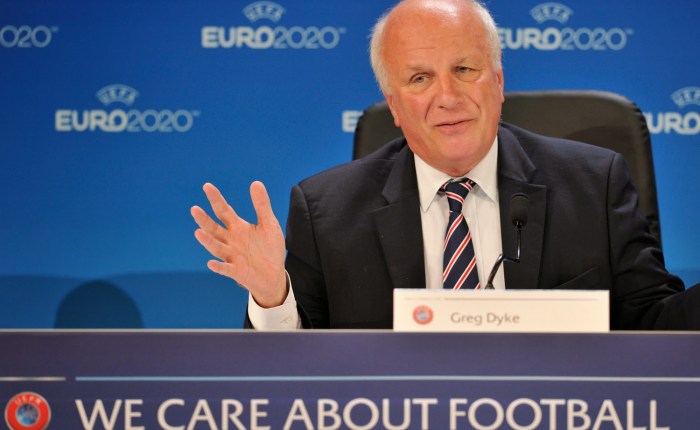
The FA Chairman, Greg Dyke, did propose a good alternative to combat these issues. Sadly the Football League clubs vetoed it. It is an idea that deserves further review. He suggested a League Three, placed between the Conference and League Two, compromising ten Premier League B Teams and the ten best non-league sides. The B teams could only ever progress to League One, so even if they finished first to tenth in that league the eleventh placed side would be promoted, to prevent them mingling too far up.

The benefits would work both ways. Currently young players are leaving their parent clubs primarily for game time. Experience of competitive matches seen as the best way to aid development. This is clearly an important factor. However, they are leaving superior training facilities, better coaches, and the ethos and tactical beliefs of their parent clubs. If they stayed within the hub of the family and played for the B teams they could be assessed and developed firsthand, making the transition to the first team more likely.

Whilst B teams would mean less loaned players to the Football League clubs that look forward to free talent, they would benefit from higher gates. A B team of Manchester City players would increase revenue compared to one loaned City player in a Rochdale team. Also, it stands to reason that these B teams would improve the overall quality in the lower leagues. Playing against better teams will only raise the game overall. Players get better if they play regularly at a higher standard.

The Football League players would benefit from the increased exposure: It would act as a better scouting method. Recently players have come up to the Premier League with teams like Norwich that played through a couple of the lower leagues, proving there is quality down there. At the moment there is an over reliance to spend on foreign talent when if we dug a little deeper we could find it here in England. A League Three would end the now ridiculous loan system, allow young players to fully benefit from an attachment to a club with state of the art facilities, and accelerate the progression of players from the Football League to the top flight.

We need to embrace changes like this before we find English football set on tracks that allow no room for manoeuvre. If FFP is to be an unnoticed backdrop we need to improve the way we develop the future generations, and currently the systems in place are failing them.