Big Sam Had to Go

Big Sam Had to Go

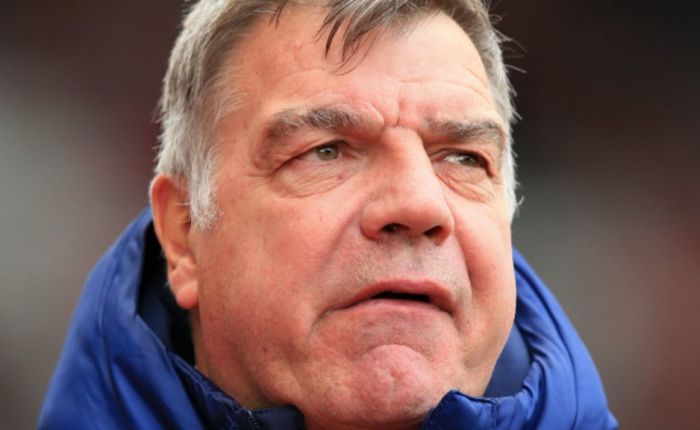
In a reign reminiscent in length to Steve Coppell for Manchester City, and marred with the lack of integrity usually associated with UEFA officials, Sam Allardyce has left his post as England manager. Already opinion is divided but taking a moment to reflect reveals why he had to go.

Big Sam has always been outspoken. It was his brash nature that led many (including this writer) to believe he would never be seen as hireable for the role of England manager. But a desperate FA went for a gamble when faced with a limited pool of options. That risk has backfired and Sam’s mouth is once again the big trouble behind the problem.

A man so worldly cannot cry naivety. Quite what motivated him to seek money on the side after landing his dream job is a question only he can answer or understand. To the rest of us, seeking £400,000 on top of a £3m-a-year salary looks like greed.

The crux of the issue goes beyond the immorality of financial gluttony. It’s about respect and representation. As England manager he is expected to be the face of English football. To denounce rules they have implemented, before suggesting it’s possible to circumvent them, is tantamount to treason.

Some will say he was caught in the moment, still on a natural high after being given a prize he never reasonably expected. But he’s not a 19-year-old lad on his first big night out.

He’s a 67-year-old professional that should have removed himself from the situation.

Why he was even there is a side issue in comparison to the way he allowed himself to become embroiled in this scandal. The Telegraph will be criticised for upsetting the national team so soon into Sam’s tenure but had the England manager acted properly, there’d have been no story to expose.

In an age where corruption and scandal after ubiquitous in football, the FA can’t be seen to stand by a manager that at best looks like an out of touch relic when it comes to social interaction, or worst, a man willing to talk inappropriately and highlight the flaws in the laws they set.

The FA aren’t making an example of Sam Allardyce by confirming mutual termination of his contract, he’s getting off lightly. Had he still been a club manager, organising a trip across the globe after suggesting third party ownership rules can be deceived, he’d be facing serious charges and in the dock.

Instead the punishment for a lack of judgement is one that will scar him forever. His integrity will be questioned, with most settling down to view Big Sam as a tainted character. But the worst loss he will feel is the “dream job” slipping through his fingers after one game because of one ill-advised meeting.

His saving grace will come because of the clarity he offered within the meeting, explaining he would have to ratify any deal with the FA. This shows he wasn’t trying to sneak a big-deal in under the radar. Also, much of what he said is more opinion than inflammatory. Many disagree with the stance taken against third-party ownership. His negative comments about Roy Hodgson and the mental block England players appear to suffer have been echoed around the country.

When the dust settles, many will feel sorry for a man that lost his dream because of a moment of arrogance caught on camera.
The Wrongs of Roy’s England Squad

The Wrongs of Roy’s England Squad

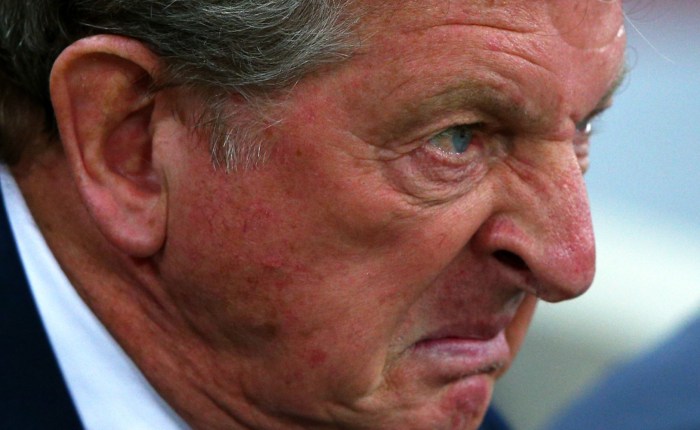
Roy Hodgson was never going to please all the people with his England selection heading into this summer’s Euros. The first to be displeased would have been the omitted fringe players, followed by fans who have their own varying opinions. Before dissecting his choices, it should be noted that the England manager has an embarrassment of riches in certain areas and scant choice in others.

The area where England has plenty of choice is in attacking roles. The most notable inclusion is Marcus Rashford. After suffering injury in the FA Cup final, the debate may have been shelved, Roy’s final choice unknown forever. That aside, his selection does need examination.

There is no doubt Rashford looks like the real deal and has more to his game than just explosive pace and an eye for goal. Whether by fluke or invention, Louis Van Gaal has unearthed a gem. The question has to be if 18 appearances for United warrants a place in the final squad that heads to France.

The national team has a history of young stars bursting onto the scene at major tournaments, the best example of such an impact is perhaps Michael Owen at France ’98. Could France in 2016 be Rashford’s time. It’s this sort of thinking that has made Roy choose him over experienced poacher Jermain Defoe.

The accusation of favouring big clubs has inevitably reared its head again. Defoe bagged 15 goals feeding off scraps but his two-and-a-half-year absence from the England scene means Roy doesn’t see him as a potential shoe-in now. Andy Carroll would have been another that could have offered something different but like Defoe, was never in the running.

There has been a suggestion Rashford’s selection is about acclimatising to the England set-up but he won’t make the final cut. Managers have done this before. Bobby Robson took players in his Italia ’90 provisional squad that weren’t in the running to be selected but he wanted to help blend-in the next generation of players.

If this is Roy’s thinking, then why waste a space on a player that couldn’t even make the first friendly? He could have let Defoe prove his worth.

The midfield debate has largely centred on who missed out. Theo Walcott will spend the summer reviewing his career choices. He needed to nail down a place in this season’s Arsenal side. He didn’t. After declaring his intention at the start of the season to be a centre forward, Walcott failed to convince Arsene Wenger he could be entrusted with the role.

That failure led to him floating in and out of the side. The Gunners had a disappointing campaign overall. Finishing runners-up masks a missed opportunity to challenge and take the Premier League title. If Walcott can’t become a mainstay in an Arsenal side requiring extra spark, he can’t expect to head to France.

Some have argued Jack Wilshere shouldn’t be there based on lack of game time. Roy hasn’t helped himself with the excuses he used for dropping Walcott (a lack of starts) when Wilshere has been absent so long with injury. Hodgson is effectively allowing club managers to dictate who is a good player, rather than compare those in his squad based on his own experiences with them. But Wilshere’s lay-off could be a blessing; it’s not often a player goes into a tournament fresh.

Wilshere has been on the radar because many believe, including here at The Reflective, that Mark Noble should have been included. If Roy was worried too many new faces in midfield roles (Drinkwater, for example) would upset his squad harmony, he should have used one of the extra three places to test the theory with Noble.

Wilshere shouldn’t be the man people look to axe for Noble, the midfield is full of charlatans waiting to be found out. Picking Andros Townsend should be applauded, but by the same measure, placing him in the squad should have been the axe for Raheem Sterling.

If Walcott was dropped for lack of games, how can a player that has only started once for Manchester City in their last 11 games is baffling. During that period, if not before, his form and confidence faded. There has never been a better example of a player needing the summer off to reset their batteries.

The attention on Sterling allows Barkley to slip without inspection after indifferent form, Fabien Delph to snake in, and Jordan Henderson to take his place alongside the industrious, if not always effective, James Milner.

When you closely examine several players, Mark Noble has every right to feel annoyed he missed out.

Defence is an area where Roy did have his work cut out. But that doesn’t mean we’ll go easy on him. Only taking three centre backs is understandable considering the riches elsewhere, and if injuries or suspensions played a part, Eric Dier could slot in as a makeshift replacement. It’s his choice in the trio that should have people worried.

Question marks will hang over Smalling and Cahill’s ability at the top level, this being the case the best course of action is to include an experienced – if underwhelming – alternative. That player exists at Everton but Hodgson opted for the understudy instead.

John Stones appears to be there thanks to the early season hype, his recent performances cannot be the reason he makes the squad over Phil Jagielka.

Like all elephants in the room, he has been left until last: Wayne Rooney. For experience and influence, he has to be on the plane. That was never in doubt. The problem is, as pointed out by Alan Shearer and voiced around the country for months, he isn’t England’s first choice striker anymore. He isn’t even second or third in line. His performances in deeper roles haven’t convinced he should start there either.

So Roy is left with two awkward choices: start a player based on his assumed psychological benefit to those around him, or have a disgruntled captain taking a seat on the bench.

We all know Hodgson will go with the former and play Rooney from the start. Whether this resides England to their usual fate or if the captain has one last moment of magic he’s been saving, only time will tell.