Brexit and the Premier League

Brexit and the Premier League

Britain has been gripped with post-EU Referendum fall-out. Markets have panicked, the pound has fallen, and the Prime Minister has resigned. All this seems secondary when you consider the real burning issue: How will Brexit affect the Premier League.

One certainty surrounding Brexit is everything is uncertain. There’s no clear front-runner for the Tory leadership, when the fragmented state of British politics is taken into account. While many mention Boris Johnson as a likely candidate, there are those that seem to think he has too many agents working against him. Theresa May is emerging as a front-runner and she was a member of the Remain campaign.

Depending on who takes the hot-seat will shape the nature of EU negotiations. A hard line Brexiter will be less likely to concede allowances, like continued freedom of movement for access to the common market (albeit with higher tariffs and penalties). But that option is still, at this moment in time, on the table. If that was to be the outcome, all the potential scenarios about to be mentioned, are null and void.

The alternative is a phased exit from the single market, in tandem with workers’ rights from EU countries. This is where the Premier League braces itself for a paradigm shift.

The most obvious change, and one that would be immediately recognisable, is how EU players would no longer be allowed to ply their trade in the Premier League without obtaining a work permit, like players, say, from South American countries currently apply for.

Players with a work permit are viewed as exceptional and are able to enhance the league based on their international experience. The better the ranking of the nation, the less games the player needs to have featured in for the national side. For example, countries ranked in the top ten, require the player to have featured in 30% of matches or more in the last two years. Moving in blocks of ten, the appearances required rise from 45% to 60% and finally 75% respectively.

If a player is refused, they can appeal. The Home Office then take into account the size of the transfer fee. An outstanding player may come from a country blessed with world class talent, so has rarely featured on the international stage, while still being of the highest calibre. This point is backed up with the size of his contract and the weekly wage.

Also, if the player has featured in many Champions League games, it sheds favourable light on his case.

However, the Premier League cannot gain special treatment compared to other industries, inevitably the number of European-based imports would decrease if EU players became no different from nationalities based outside of this continent. Maybe there’d be several years of easing in new rules but eventually the law would be the same across the board.

At this point the star foreign players would be more expensive to acquire. That strikes fear into club owners and fans will feel their team is being ripped off. But perhaps it will be better to avoid the current Average Player Tax the league endures, bringing in filler to gain access to the rare outstanding performer. Instead clubs will pay a premium for a premium player, minus the non-descript faces.

When the Premier League was new, it managed to pull in star names. Back then they felt special as they were, to start with, one-offs. Since then it has been easier to lure the best in the world over en masse. In doing so, the league’s reputation has risen to such a degree that nothing will prevent players feeling its lure.

It isn’t about to turn into the Scottish Premier League from yesteryear, with a few massive names in a field of averageness. The money alone that the Premier League generates means it can endure any rule change to the eligibility of its workers.

The FA will see it as a blessing in disguise. The lazy scouting of top clubs, that see them take a risk on an average foreign player with an EU passport rather than look in the domestic lower leagues, will slowly draw to a halt. And current champions Leicester have demonstrated, there is talent to be found further down the leagues.

Any extra premium clubs pay for the stand-out performers will also be offset by an unexpected easing of financial burdens. Currently too many top teams are reluctant to use their youth academies. Part of this problem comes from the condition that too much choice is a bad thing. When pruned to a more manageable number, the human mind finds it easier to make correct choices.

The pruning that will take place in the academies will be the process of no longer filling them with youngsters from around the globe that either have EU citizenship or want to attain it. Instead, British players will fill the ranks. Those that are clearly the best won’t have to fight with high numbers of imports or pointless loan moves across the continent. They will be used or released.

Eventually the domestic youth talent will become good enough, and trusted, for the first team. This will save clubs millions each year on players that act as squad players.

The English national team will have greater choice of top flight players. The figure is currently less than 30% in Premier League first teams. This advantage means the FA won’t fight the Premier League’s case for special treatment.

Like much of the Brexit debate, there has been a lot of scaremongering.

Just like Britain won’t return to the dark ages following exit from the EU, the Premier League won’t lose its place as one of the top destinations in Europe for players to perform. The best in the world will still come here, and any increase in price needs to be placed into context.

The finances in the Premier League are currently grotesque, a recalibration and reconsideration of where every pound goes isn’t a bad thing. In fact, it’s long overdue. Instead of being flippant with cash, maybe owners will be mindful of bringing in only the best, remembering it’s the working man in the stands that make it possible.

The Premier League will still thrive after Brexit, don’t let big business and the establishment tell you otherwise.
The Wrongs of Roy’s England Squad

The Wrongs of Roy’s England Squad

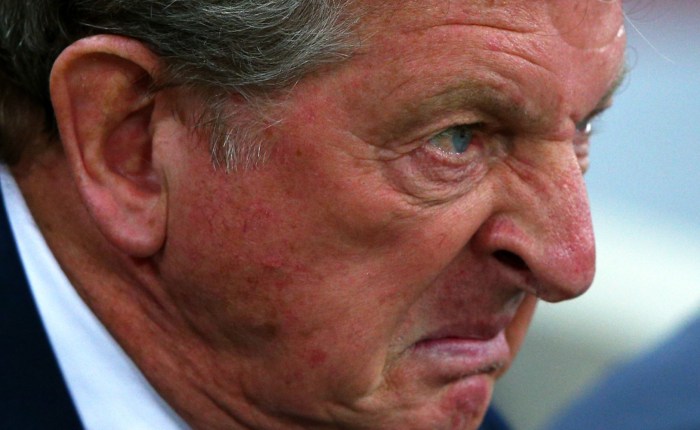
Roy Hodgson was never going to please all the people with his England selection heading into this summer’s Euros. The first to be displeased would have been the omitted fringe players, followed by fans who have their own varying opinions. Before dissecting his choices, it should be noted that the England manager has an embarrassment of riches in certain areas and scant choice in others.

The area where England has plenty of choice is in attacking roles. The most notable inclusion is Marcus Rashford. After suffering injury in the FA Cup final, the debate may have been shelved, Roy’s final choice unknown forever. That aside, his selection does need examination.

There is no doubt Rashford looks like the real deal and has more to his game than just explosive pace and an eye for goal. Whether by fluke or invention, Louis Van Gaal has unearthed a gem. The question has to be if 18 appearances for United warrants a place in the final squad that heads to France.

The national team has a history of young stars bursting onto the scene at major tournaments, the best example of such an impact is perhaps Michael Owen at France ’98. Could France in 2016 be Rashford’s time. It’s this sort of thinking that has made Roy choose him over experienced poacher Jermain Defoe.

The accusation of favouring big clubs has inevitably reared its head again. Defoe bagged 15 goals feeding off scraps but his two-and-a-half-year absence from the England scene means Roy doesn’t see him as a potential shoe-in now. Andy Carroll would have been another that could have offered something different but like Defoe, was never in the running.

There has been a suggestion Rashford’s selection is about acclimatising to the England set-up but he won’t make the final cut. Managers have done this before. Bobby Robson took players in his Italia ’90 provisional squad that weren’t in the running to be selected but he wanted to help blend-in the next generation of players.

If this is Roy’s thinking, then why waste a space on a player that couldn’t even make the first friendly? He could have let Defoe prove his worth.

The midfield debate has largely centred on who missed out. Theo Walcott will spend the summer reviewing his career choices. He needed to nail down a place in this season’s Arsenal side. He didn’t. After declaring his intention at the start of the season to be a centre forward, Walcott failed to convince Arsene Wenger he could be entrusted with the role.

That failure led to him floating in and out of the side. The Gunners had a disappointing campaign overall. Finishing runners-up masks a missed opportunity to challenge and take the Premier League title. If Walcott can’t become a mainstay in an Arsenal side requiring extra spark, he can’t expect to head to France.

Some have argued Jack Wilshere shouldn’t be there based on lack of game time. Roy hasn’t helped himself with the excuses he used for dropping Walcott (a lack of starts) when Wilshere has been absent so long with injury. Hodgson is effectively allowing club managers to dictate who is a good player, rather than compare those in his squad based on his own experiences with them. But Wilshere’s lay-off could be a blessing; it’s not often a player goes into a tournament fresh.

Wilshere has been on the radar because many believe, including here at The Reflective, that Mark Noble should have been included. If Roy was worried too many new faces in midfield roles (Drinkwater, for example) would upset his squad harmony, he should have used one of the extra three places to test the theory with Noble.

Wilshere shouldn’t be the man people look to axe for Noble, the midfield is full of charlatans waiting to be found out. Picking Andros Townsend should be applauded, but by the same measure, placing him in the squad should have been the axe for Raheem Sterling.

If Walcott was dropped for lack of games, how can a player that has only started once for Manchester City in their last 11 games is baffling. During that period, if not before, his form and confidence faded. There has never been a better example of a player needing the summer off to reset their batteries.

The attention on Sterling allows Barkley to slip without inspection after indifferent form, Fabien Delph to snake in, and Jordan Henderson to take his place alongside the industrious, if not always effective, James Milner.

When you closely examine several players, Mark Noble has every right to feel annoyed he missed out.

Defence is an area where Roy did have his work cut out. But that doesn’t mean we’ll go easy on him. Only taking three centre backs is understandable considering the riches elsewhere, and if injuries or suspensions played a part, Eric Dier could slot in as a makeshift replacement. It’s his choice in the trio that should have people worried.

Question marks will hang over Smalling and Cahill’s ability at the top level, this being the case the best course of action is to include an experienced – if underwhelming – alternative. That player exists at Everton but Hodgson opted for the understudy instead.

John Stones appears to be there thanks to the early season hype, his recent performances cannot be the reason he makes the squad over Phil Jagielka.

Like all elephants in the room, he has been left until last: Wayne Rooney. For experience and influence, he has to be on the plane. That was never in doubt. The problem is, as pointed out by Alan Shearer and voiced around the country for months, he isn’t England’s first choice striker anymore. He isn’t even second or third in line. His performances in deeper roles haven’t convinced he should start there either.

So Roy is left with two awkward choices: start a player based on his assumed psychological benefit to those around him, or have a disgruntled captain taking a seat on the bench.

We all know Hodgson will go with the former and play Rooney from the start. Whether this resides England to their usual fate or if the captain has one last moment of magic he’s been saving, only time will tell.

Greatest Achievement in League Football

Greatest Achievement in League Football

Leicester City winning the English Premier League completes a dream season for a club that battled to survival only twelve months previous. This unexpected success still belies belief, for months so-called experts have struggled to give reason for their insurmountable lead. A common denominator is that other teams have failed. This denies The Foxes the full credit they deserve.

The obvious comparison people have gone for is between the current Leicester side and Brian Clough’s Nottingham Forest. Clough’s side gained promotion from the old First Division and went on to win the title as the new boys. Throughout that season they had many doubters. It was deemed unlikely they could maintain the pace and stay at the top.

Sound familiar?

Of course, Forest went onto greater success but this initial title win has been the watermark for all underdogs in English football. Until now. Football was a different game back then. The gap between the haves and the have nots has never been greater than it currently stands. Massive clubs like Liverpool – who are the third highest spenders in Premier League history – have still yet to win their first Premier League title.

Clubs of Leicester’s stature are supposed to be happy with Premier League survival – nothing more. But they haven’t read the script this season, even after a bad start at Arsenal. It’s imperfect beginnings that laid the way for this journey.

Unlike Forest in 1978, who came up in good form and were full of confidence, they should have been riddled with doubts. A great escape didn’t mask their deficiencies. Sacking their manager, Nigel Pearson, after a series of explosive moments could have upset a fragile dressing room. Then they brought in The Tinker Man.

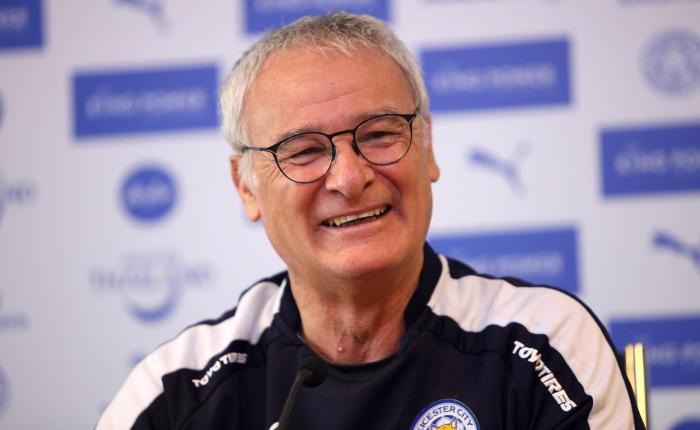
Claudio Ranieri, a man that had never won a top flight championship, was hired to ensure they reached 40 points. Many pundits claimed his arrival would send Leicester down, whenever anyone questioned this they were reminded his Greece side lost to San Marino.

As a polar opposite to Brian Clough, he remained a man happy to be in the shadows. Humble rather than full of Clough’s bravado. He was living the dream along with his fans. His humility sowed the squad together. He protected them from pressure, maintained expectation.

It was a case of all the pieces coming together at the right time. A manager with years of experience, a bunch of players with a point to prove, and the bigger boys struggling for one reason or another. That latter point shouldn’t be used against The Foxes. If teams failed to meet their personal targets for the season it doesn’t take away from Leicester’s success.

The league table never, ever, lies. Only three defeats speak volumes in a season where so many teams have struggled for form and stability. Some of the big guns may have been shy, but somebody had to take the chance. It was Leicester that came out head and shoulders above the rest.

A man that once tinkered stuck with familiar players. Unlike so many current managers, that claim to have an “ideology” or “project” as a cover for stubbornly sticking to rigid tactics, Ranieri evolved along with his players. They started the season almost playing like a Sunday league side, fast on the counter, looking like grinding out results was above them and it was only a matter of time before they became unstuck. Rather than become stale, they morphed into a side capable of chalking up one-nils.

It proves that cash doesn’t guarantee victory. The football goliaths should hang their heads in shame. Extensive scouting networks and the best facilities in the land have continued to show snobbery and fail to give talent within the lower leagues a chance. How many more Jamie Vardys are hidden, waiting for someone to take a gamble?

Naysayers have pointed to Leicester’s summer transfer spend but it is small fry compared to the likes of clubs expected to finish in the top four. With the new TV money coming into the game next season they now have the ability to spend. The sad fact is they will probably have to with the extra European games filling up their schedule.

Even if they do now splash the cash, it will be brought about because of success, not the pursuit of it.

The fear with Financial Fair Play was that football would be plunged into a status quo. That the dreams of fans up and down the land, clubs big and small, would be extinguished unless a rich benefactor spent billions. Leicester may have the new rich owner but it is good old-fashioned on the pitch ethics that have brought about the fairy-tale title.

The gap between the top and bottom has never been so high, the scope for daring to dream the impossible so low, but Leicester have changed this. Winning the Premier League is an achievement unlikely to ever be matched. Unless they go onto further success in Europe next season. But that can’t happen . . . can it?

It’d be a brave person that placed any restriction on hope following this triumph.