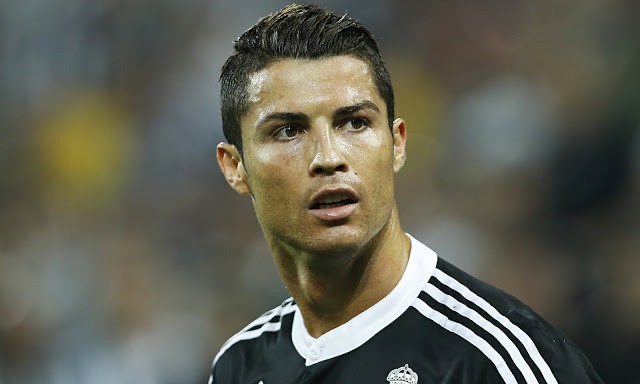
Last week the Daily Mail, a publication not renowned for high class output, once again confirmed its status as a small minded rag, pouring out the worst of society’s views. The target this time was Cristiano Ronaldo of Real Madrid; a man many believe is the greatest player on Earth. The article didn’t centre on any of his on-field activities, instead it speculated what he enjoyed doing in private – with other men.
The Daily Mail wrote: Real Madrid star Cristiano Ronaldo is in a gay relationship with a Moroccan kickboxer, it has been sensationally claimed.
Proving that in the world where low-end papers exist, it’s always the 1970s. It doesn’t matter if Ronaldo is homosexual or not. It shouldn’t be newsworthy.
The real problem is how a paper known for its xenophobia is using the rumour as some sort of slight against the Portuguese player.
It’s indicative of a fault well rooted in football’s primitive attitudes. In a sport that can change with the times when it comes to generating income, it still hasn’t learnt one thing since the days of Justin Fashanu.
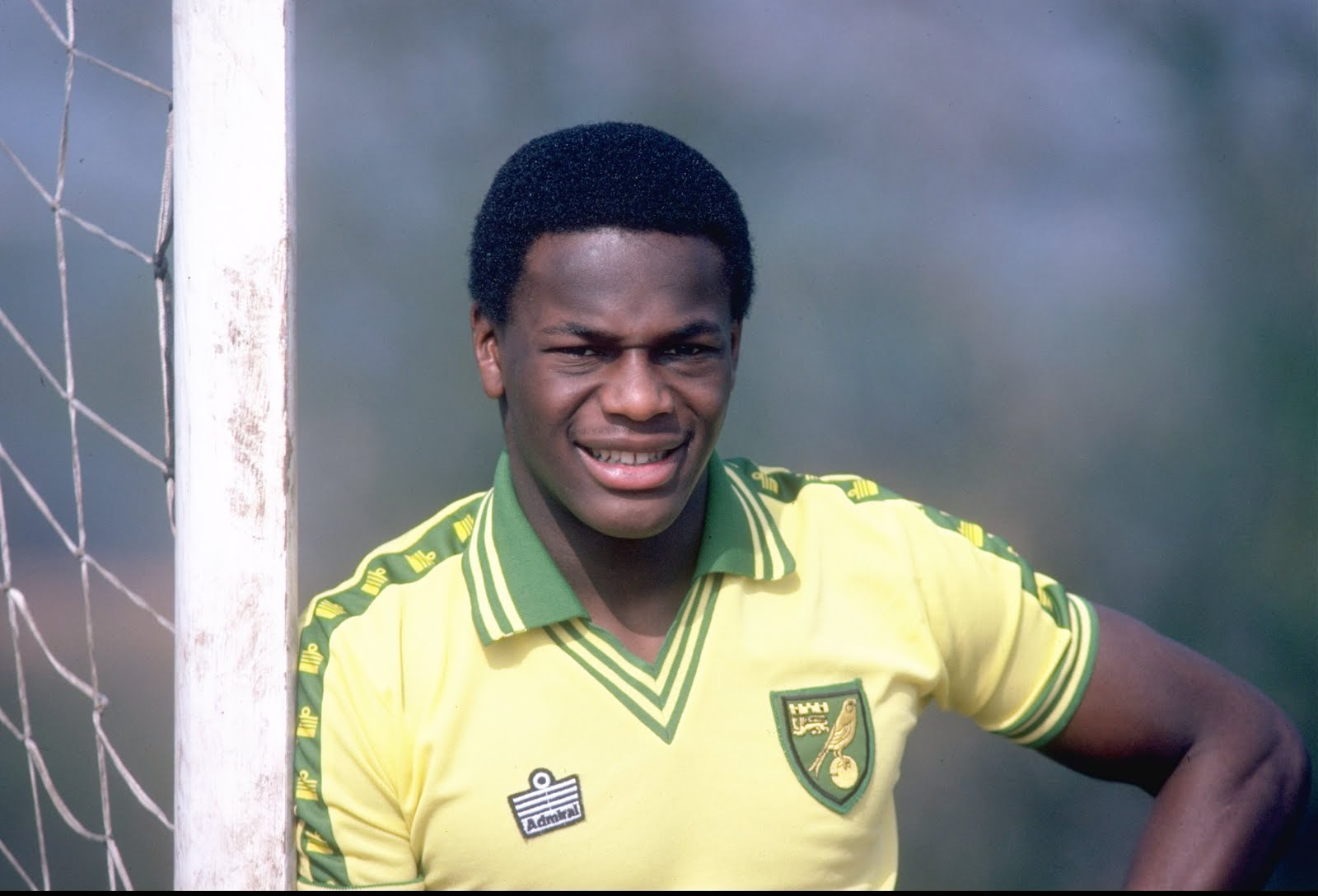
He was the first £1m black footballer and the first professional player to come out as gay in England. The high fee was paid by Brian Clough who took him to Nottingham Forest. The legendary manager admitted in his autobiography one of his biggest regrets was his poor handling of Fashanu.
This came with the benefit of hindsight, coloured by the eventual suicide of the once promising talent. At the time Clough lacked the understanding and knowledge surrounding the issue. Like many back then, he was ignorant when it came to the subject of homosexuality.
Instead of being the father figure he later wished he’d been, when he first found out about Justin’s lifestyle he barred him from training with the first team. Then he hauled Justin into his office and broached the rumour in the manner recalled here, as written in Clough’s autobiography:
“‘Where do you go if you want a loaf of bread?’ I asked him.
‘A baker’s, I suppose.’
‘Where do you go if you want a leg of lamb?’
‘A butcher’s.’
‘So why do you keep going to that bloody poofs’ club?’”
It must have worn Justin down over the years, and by the time he was accused of sexual assault after an incident in America, he feared his colour and sexual orientation would make his case impossible to win.
Watching the many struggles he endured, it’s not hard to understand why only one other player has openly come out since. The fact it was Robbie Rodgers, a free agent at the time and hardly a household name in this country now, proves no top flight players believe it’s worth the risk.
More recently Sol Campbell became the centre of nothing more than gossip. A rumour spread that he left during Arsenal’s halftime interval with West Ham in 2006, a game The Gunners lost 3-2, because his agent had informed him a national newspaper was going to run a story about his sexual preferences.
Pink News printed comments made by Sol Campbell explaining how the racist and homophobic remarks were hard to deal with, he said, “There were moments when it became too much. West Ham at home with Arsenal I couldn’t come out in the second half. It was a chipping effect over the years. I suddenly couldn’t face it.”
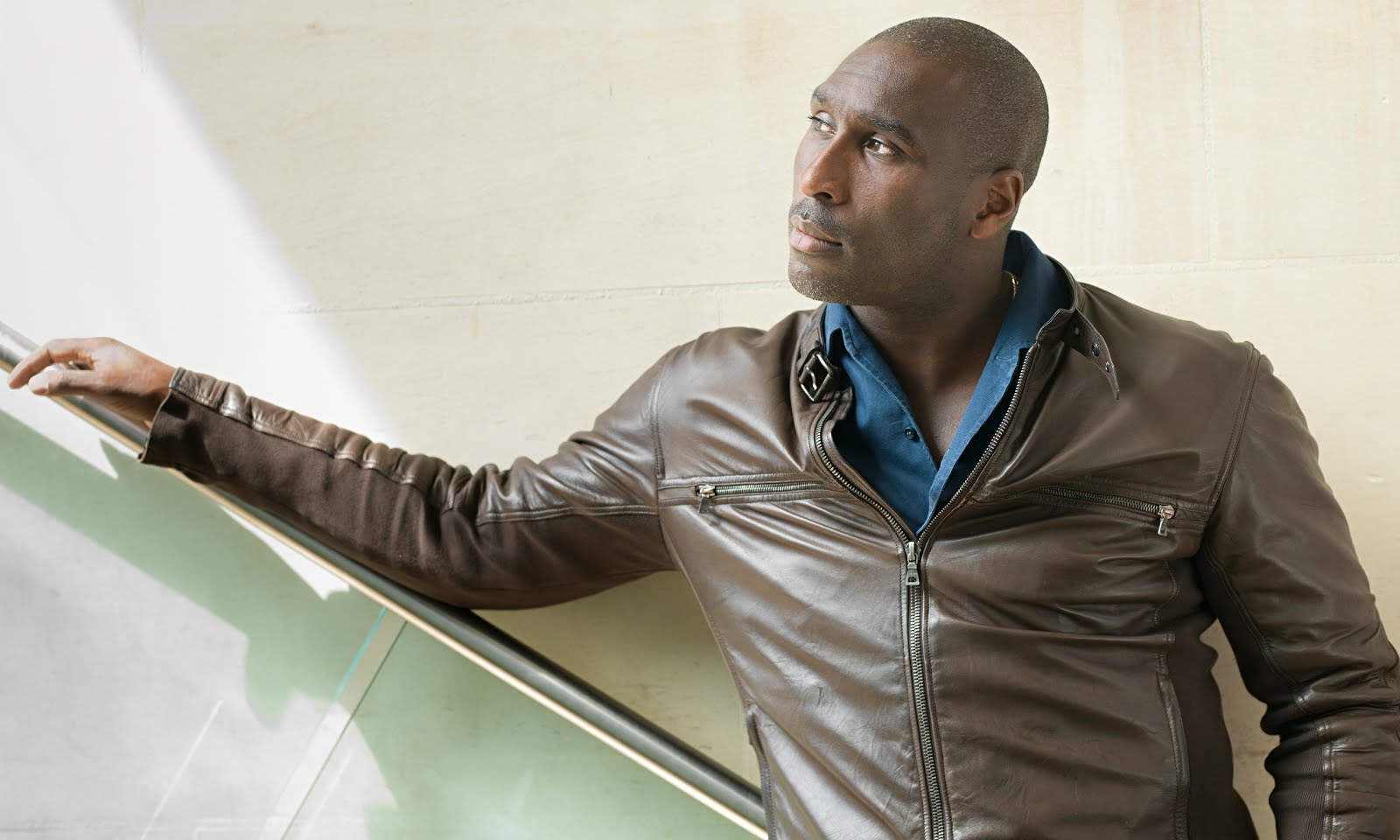
The irony is, Campbell is one of the most outspoken players of his generation, had the rumours been true he would have been one of the first to come out and stand tall. But the tabloid press wasn’t going to let the truth get in the way of a story, even if it meant the well-being of a top England international was going to be damaged.
In the end they did run a story, omitting all names, only referencing the person in question as a current Arsenal and England defender. This led to Ashley Cole taking the heat. Something he put to bed when he married Cheryl Tweedy.
It was another example of sexuality being used as a negative. There shouldn’t have been a story to print. It isn’t in the public’s interest and doesn’t affect how a player performs for his club. How it’s used as a shaming tactic is disgusting in this supposedly enlightened age.
It was only a few months ago the Daily Mail (them again) reported that before the start of next season two Premier League players would come out as gay. Once more, an absolute no-news story, reported for the shock and shame value. Of course any player in the closet will expect some chants from rival fans but most of this will be more like pantomime and banter than anything close to hatred. It’s only papers such as the Daily Mailthat try and spread that.
Players should also have zero concerns about teammates making life difficult. They are protected by laws and men in other male dominated sports, such as British-born NBA basketballer John Amaechi, and Welsh Rugby star Gareth Thomas, have had no trouble since coming out.
The Ronaldo article shouldn’t have asked if he was gay, but simply: Who cares what he does in private with a consenting adult.


 The Reflective Page